The Beauty of Imperfection in Architecture
Postmodern architecture emerged in the 1960s as a response to the rigid principles of modernism, advocating for complexity and contradiction. It celebrates diverse styles and historical references, often incorporating humor and vibrant colors into designs. This movement reshaped the architectural landscape, allowing for a more inclusive and expressive approach to building. By embracing imperfection, postmodernism reflects the multifaceted nature of contemporary life.
- ReadPostmodern architecture · Wikipedia
Defines postmodern architecture as a movement that arose in the 1960s, countering the austerity of modernism. Denise Scott Brown and Robert Venturi introduced this shift in their 1972 book, Learning from Las Vegas.
- ReadThe Right to Be Naive: How Architecture Turned Innocence into a Position · Arch Daily
Argues that post-2008 architectural practices have embraced a sense of innocence, resisting the certainty that dominated the previous decade. Many emerging architects now prioritize humility and complexity in their designs.
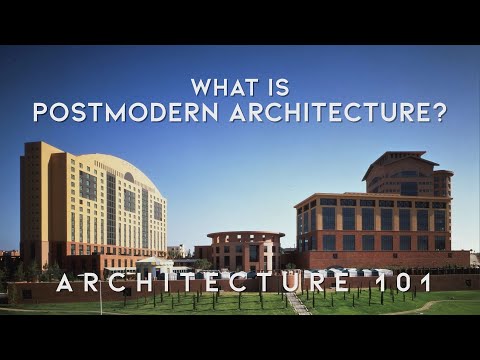
- WatchWhat is Postmodern Architecture? | ARCHITECTURE 101 · YouTube
Shows how postmodern architecture challenged modernist norms by incorporating humor, history, and color into iconic structures. Notable examples include Robert Venturi's Vanna Venturi House and Michael Graves' Portland Building.
- BookComplexity and Contradiction in Architecture · Bookshop.org
Discusses the theoretical background of modern architecture, emphasizing the importance of complexity and contradiction. Venturi's work serves as a foundational text for understanding the shift towards postmodernism.

Each piece in this curation builds upon the central theme of embracing complexity in architecture. Starting with an overview of postmodern architecture, the subsequent entries delve into the evolution of architectural thought post-2008 and the playful rebellion against modernist ideals. The journey culminates in Venturi's influential work, which articulates the theoretical foundation for this celebration of imperfection. Together, these pieces illustrate how architecture can reflect the chaotic beauty of the human experience.
Book links are Bookshop.org affiliate links. Curiate may earn a commission on purchases, at no extra cost to you — Bookshop.org also gives a share to independent bookshops.
Reading paths, built to arrive somewhere
Curiate turns what you are curious about into a short path — an entry point, something to watch, and the key book on the topic. Free to browse.