Who controls financial history
Financial history concerns public finance and related private international finance and banking, viewed in the context of the Netherlands and its institutions from 1500. The path explores how the Republic raised revenue and borrowed, and how women's property and investments were treated. It could help readers understand how finance worked in the Netherlands, and generally follows themes of public revenue, borrowing, and private investment.
2 articles, 1 video, 1 book · about 1 hr 39 min of reading and viewing
The reading path
- Readfinancial history · Wikipedia · 52 min read
The provinces paid a fixed quotum (the repartitie) of the budget, continuing a practice under the Habsburg rulers. The provinces determined themselves how they would collect the revenues, leaving control of those finances with the provinces. After the Truce ended in 1621, the Republic, and in particular Holland, could borrow on average 4 million guilders annually, helping keep down the rise in taxation that might otherwise have been necessary. By 1640, confidence in Holland's public debt had risen enough to refinance the outstanding debt at 5 percent. Holland's common means were excise taxes on first necessities, especially beer, wine, peat, grain, salt, and the use of market scales. In the 1630s, these taxes accounted for two-thirds of Holland's revenue.
- ReadThe Long History of Financial Advice for Women - JSTOR Daily · JSTOR Daily · 2 min read
In the late nineteenth century, many married women's property was under their husbands' control. Women were generally barred from professional jobs or becoming entrepreneurs, so investments were the only way to make money.
- WatchJohn Law - The First Financial Engineer - A History of Paper Money and The Mississippi Bubble · YouTube · 45 min watch
The video covers John Law's banking reforms, paper money, and the Mississippi scheme in France. His story connects to financial history through the development of bank notes and the speculative Mississippi Bubble.
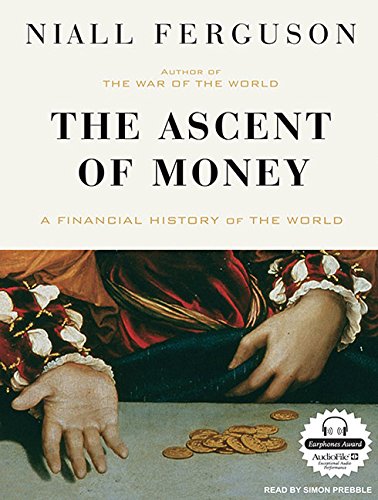
- BookThe Ascent of Money: A Financial History of the World · Bookshop.org
The Ascent of Money: A Financial History of the World, by Niall Ferguson, examines the long history of money, credit, and banking. PBS aired a newer, reorganized four-hour documentary version in July 2009.



Book links are Bookshop.org affiliate links. Curiate may earn a commission on purchases, at no extra cost to you — Bookshop.org also gives a share to independent bookshops.
Reading paths, built to arrive somewhere
Curiate turns what you are curious about into a short path — a quick lesson on an article, something to watch, and a book to go deep on. Free to browse.