Why mergers and acquisitions fail after the deal
Mergers and acquisitions are business transactions that transfer or consolidate ownership of a company, business organization, or operating unit with another entity. What makes these deals fail after they are made, and how can you assess the challenges of bringing two companies together? The lessons consider the decisions, expectations, and integration work that shape what happens after a deal.
2 articles, 1 video, 1 book · about 1 hr 55 min of reading and viewing
The reading path
- Readmergers and acquisitions · Wikipedia · 47 min read
A 1988 to 2002 study found that successful acquisitions were more likely to involve complex products with minimal uncertainty about functionality and market appetite. Failed deals, by contrast, often involved "hasty purchases" of incompatible information platforms and products not yet tested for release. In mergers and acquisitions, manager's hubris, overconfidence about expected synergies, can lead managers to overpay for a target company. This effect of overconfidence has been shown for both CEOs and board directors.
- ReadM&A: The Good, the Bad and the Ugly - The Big Picture · The Big Picture · 4 min read
Investors should ask whether management has the skills to integrate two disparate entities. The source notes that Comcast had no management experience in the travel, media, film or TV business. These questions help investors appraise potential acquirers or targets.
- WatchAnatomy of a Win-Win Acquisition: Synergy, Growth, AI, and the Future of SaaS | E2047 · YouTube · 1 hr 4 min watch
Spenser Skates and James Evans discuss Amplitude's acquisition of Command AI, including its strategic rationale, technology integration, deal structure, regulatory concerns, and cultural alignment.
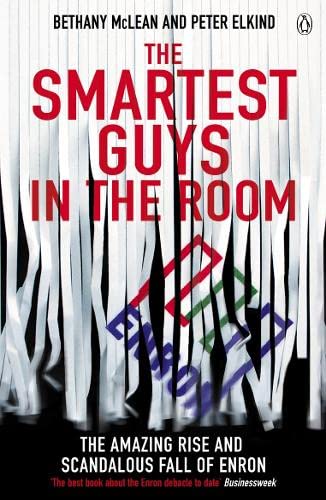
- BookThe Smartest Guys in the Room: The Amazing Rise and Scandalous Fall of Enron · Bookshop.org
The Smartest Guys in the Room by Bethany McLean and Peter Elkind follows the developing Enron story and describes the authors' effort to report it as it happened, drawing on hundreds of interviews and personal calendars, performance reviews, e-mails, and other documents.


Book links are Bookshop.org affiliate links. Curiate may earn a commission on purchases, at no extra cost to you — Bookshop.org also gives a share to independent bookshops.
Reading paths, built to arrive somewhere
Curiate turns what you are curious about into a short path — a quick lesson on an article, something to watch, and a book to go deep on. Free to browse.