Why the psychology of horror films appeals
The psychology of horror films focuses on mental, emotional, and psychological states to frighten, disturb, or unsettle audiences. It often uses mystery and psychologically unstable, unreliable, or disturbed characters to heighten suspense, tension, and paranoia and create an unsettling atmosphere.
2 articles, 1 book · about 18 min of reading and viewing
The reading path
- Readthe psychology of horror films · Wikipedia · 13 min read
In the psychology of horror films, Hitchcock's Rear Window used light and deliberate shadows to incite suspense in the viewer. Shadows cover up information, subtly escalating suspense and horror of what can not be seen. Psychological horror can restrict characters' and audience's view of danger through strategic lighting and visual obstructions, as in Bird Box, heightening suspense by leaving much of the threat unseen.
- ReadThe Psychology of Scary Movies and Haunted Houses · Greater Good Magazine · 5 min read
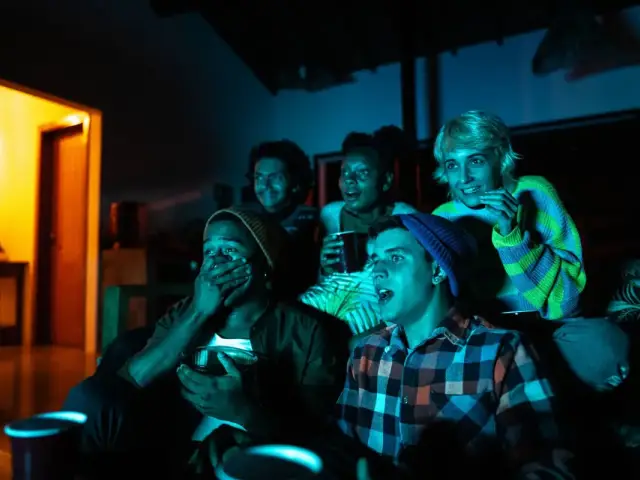
For the psychology of horror films, creating fear in otherwise safe lives can be enjoyable and help people practice and prepare for real-life dangers. Controlled fear experiences, such as horror films that viewers can stop whenever they want, offer fear's physiological high without real risk.
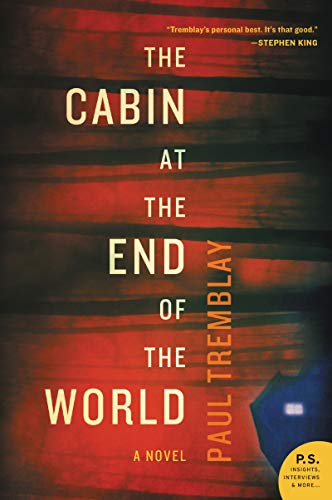
- BookThe Cabin at the End of the World · Bookshop.org
The Cabin at the End of the World by Paul Tremblay focuses on a family isolated at a remote cabin and strangers arriving with menacing objects.

Book links are Bookshop.org affiliate links. Curiate may earn a commission on purchases, at no extra cost to you — Bookshop.org also gives a share to independent bookshops.
Reading paths, built to arrive somewhere
Curiate turns what you are curious about into a short path — a quick lesson on an article, something to watch, and a book to go deep on. Free to browse.