Why the psychology of dreams remains mysterious
Psychology of dreams is the scientific study of dreams, called oneirology; most modern research focuses on their neurophysiology and tests hypotheses about their function, but their origin and purpose remain unknown.
2 articles, 1 video, 1 book · about 1 hr 24 min of reading and viewing
The reading path
- Readpsychology of dreams · Wikipedia · 46 min read
During REM sleep, some brain regions fully active during waking are activated only in a partial or fragmentary way. Textbook author James W. Kalat explains that the cortex combines this haphazard input with other activity and does its best to synthesize a story that makes sense of the information. Selective memory effect is remembering accurate predictions while forgetting inaccurate ones. In one experiment, subjects wrote their dreams in a diary, which prevented this effect, and the dreams no longer seemed accurate about the future. In the psychology of dreams, adults report remembering around two dreams per week, on average.
- ReadWhy and How Do We Dream? | Quanta Magazine · Quanta Magazine · 32 min read
Dream researchers study reports of what people say or write down after waking, not dreams directly, so they still haven't really found a way to record what someone else is dreaming about. Dreams might seem impossible to study directly because they are personal, subjective and fleeting.
- Watch
- BookThe Dreamers · Bookshop.org
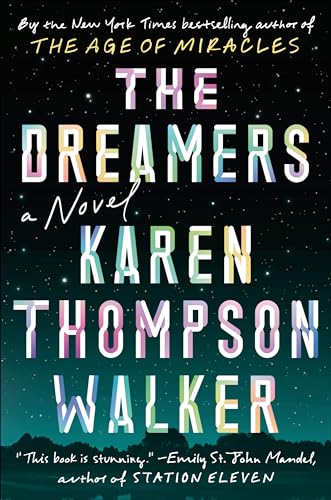
The Dreamers by Karen Thompson Walker describes a mysterious illness in which people fall asleep and cannot be roused, while a psychiatrist tries to make sense of its spread and those infected show unusual levels of brain activity. This gives readers a fictional account of sleep and brain activity to consider alongside questions about dreams.


Book links are Bookshop.org affiliate links. Curiate may earn a commission on purchases, at no extra cost to you — Bookshop.org also gives a share to independent bookshops.
Reading paths, built to arrive somewhere
Curiate turns what you are curious about into a short path — a quick lesson on an article, something to watch, and a book to go deep on. Free to browse.