Women's dress in the fashion of the 19th century industrial revolution
The fashion of the 19th century industrial revolution consists of clothing fashions and trends in British culture that emerged and developed in the United Kingdom and the British Empire throughout the Victorian era, roughly from the 1830s through 1900. Mass production of fabrics and threads for factory-made clothing, industrial sewing machines and the invention of synthetic dyes made clothing that was mass-produced.
2 articles, 1 book · about 58 min of reading and viewing
The reading path
- Readthe fashion of the 19th century industrial revolution · Wikipedia · 49 min read
In 1856, the invention of the first cage crinoline allowed for wider skirts than petticoats could. Although often ridiculed by journalists and cartoonists of the time as it swelled in size, the innovation freed women from the heavy weight of petticoats. By the end of the 19th century, women's periodicals included dressmaking patterns, reflecting middle- and working-class readers as well as technological change: home sewing machines and mass-produced fabrics and trim. Some credited the change in women's dress silhouettes to Victorian dress reform movements. The Artistic Dress and Rational Dress movements advocated natural silhouettes, dyes and fibers, rejecting corsets and cages; the Rational Dress movement saw women "handicapped" by tightly laced corsets, padding and small cages.
- ReadCorsets, crinolines and bustles: fashionable Victorian underwear · V&A · Victoria and Albert Museum · 9 min read
In 19th-century industrial fashion, sewing machines made cage crinolines affordable to a wider audience, fueling skirts so large that Punch magazine dubbed the craze 'Crinoline mania.' Women wearing them had to learn to walk and sit without revealing their ankles or underclothes.
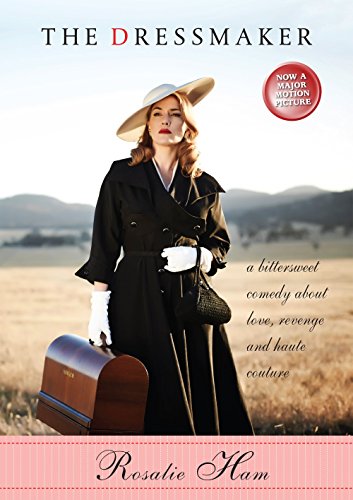
- BookThe Dressmaker · Bookshop.org
The Dressmaker by Rosalie Ham describes Tilly Dunnage's return after mastering dressmaking at couture houses in Paris, where her dresses attract the prim women of Dungatar and her fashion business brings grudging acceptance. It shows dressmaking as a business and a source of social standing.


Book links are Bookshop.org affiliate links. Curiate may earn a commission on purchases, at no extra cost to you — Bookshop.org also gives a share to independent bookshops.
Reading paths, built to arrive somewhere
Curiate turns what you are curious about into a short path — a quick lesson on an article, something to watch, and a book to go deep on. Free to browse.