Aesthetics and how art gets its meaning
The philosophy of aesthetics is the branch of philosophy that studies beauty, taste, and related phenomena. How does art get its meaning? By the end, readers will understand how artistic form, representation, emotional and ethical effects, and theories shape the meanings people make of art.
2 articles, 1 book
The reading path
- Readthe philosophy of aesthetics · Wikipedia
In painting, color and spatial arrangement shape how content is presented, while content includes the depicted topic, expressed ideas, and conceptual messages. This distinction shows that an artwork's meaning involves both what it presents and how it presents it. A portrait resembles a person, while a fantasy novel can represent an imaginary chain of events; representation can also use conventional symbols and established codes. Art can also convey psychological states: a painter may use muted colors in a barren landscape to express sadness, which an audience may feel or recognize without feeling it personally. Artworks can shape how people feel, perceive, and judge their circumstances: they may glorify violence and reinforce biases, or inspire empathy and challenge societal norms. Because art and ethics both concern values, philosophers disagree about how moral and aesthetic value interact: ethicists say moral value can enhance artistic value, immoralists say moral flaws can sometimes enhance aesthetic experience, and autonomists treat the domains as independent.
- ReadWhich "Aesthetics" Do You Mean? - DesignObserver · Design Observer
Wabi is an appreciation of loneliness and poverty. The philosopher-art critic Arthur Danto wrote that "without theories of art, black paint is just black paint and nothing more"; the author says artists often use theories and arguments to establish, justify, and bolster their artwork's meaning, and that the pavilion's wabi quality disappeared when illustrious artworks replaced their modest surrogates.
- BookThe Aesthetics of Music · Bookshop.org
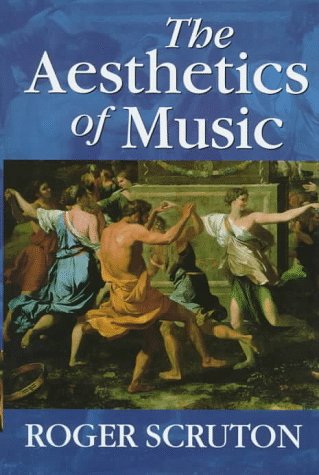
The Aesthetics of Music by Roger Scruton gives a comprehensive account of music from the perspective of modern philosophy, beginning with the metaphysics of sound. Scruton distinguishes sound from tone and analyzes rhythm, melody, harmony, musical organization, and musical meaning.
Book links are Bookshop.org affiliate links. Curiate may earn a commission on purchases, at no extra cost to you — Bookshop.org also gives a share to independent bookshops.
Reading paths, built to arrive somewhere
Curiate turns what you are curious about into a short path — a quick lesson on an article, something to watch, and a book to go deep on. Free to browse.