Cannabis startup growth meets barriers to entry
Cannabis startups face challenges in a rapidly emerging legal market shaped by restrictions, with governments legalizing medical and adult use. What barriers stand in the way of growth, and how do they affect who can enter the industry? The lessons trace how opportunity meets regulatory, financial, and social barriers.
2 articles, 1 book
The reading path
- ReadCannabis Equity Initiatives: Progress, Problems, and Potentials - PMC · pmc.ncbi.nlm.nih.gov
For cannabis startups, most states bar people with prior drug felonies from owning businesses or holding leadership roles, blocking their entry into the industry. Removing one conviction may not significantly affect the population harmed by criminalization, since people with other minor drug possession felonies or dealer charges remain subject to the same legal disabilities. In New York State, half of all cannabis licenses are designated for social equity applicants, but in 2019, only two social equity applicants were approved. In Massachusetts, only 27 out of 122 applicants were given priority by regulators in 2018, and only eight of those received licenses.
- Readthe challenges faced by startups in the cannabis industry · Wikipedia · 12 min read
Deloitte estimates Canada's base retail cannabis market at $4.9-$8.7 billion annually and, including ancillary opportunities, a market worth $12.7-$22.6 billion annually. The legal market has emerged rapidly as more governments legalize medical and adult use, while regulatory restrictions inhibited the cannabis industry for most of its recent history.
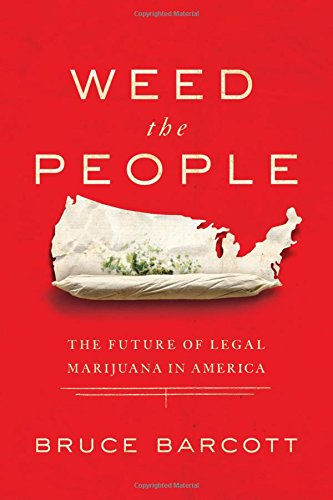
- BookWeed the People: The Future of Legal Marijuana in America · Bookshop.org
Weed the People by Bruce Barcott traces marijuana's shift from underground status to medical laws adopted by twenty states and the District of Columbia, amid a War on Drugs that reached exhaustion and failure.
Book links are Bookshop.org affiliate links. Curiate may earn a commission on purchases, at no extra cost to you — Bookshop.org also gives a share to independent bookshops.
Reading paths, built to arrive somewhere
Curiate turns what you are curious about into a short path — a quick lesson on an article, something to watch, and a book to go deep on. Free to browse.