How startups and innovation learn through failure
Startups and innovation are typically characterized by an innovative stance, potential for rapid growth, external funding, and vulnerability. How can people understand uncertainty and failure in startups, and respond to them? The lessons consider how setbacks, decisions, and planning shape the experience of building and restarting a startup.
2 articles, 1 video, 1 book · about 1 hr 39 min of reading and viewing
The reading path
- Readstartups and innovation · Wikipedia · 37 min read
In a sample of 101 unsuccessful startups, founders reported five common causes of failure: lack of consumer interest (42% of failures), funding or cash problems (29%), personnel or staffing problems (23%), competition (19%) and pricing problems (18%). More than one-third of founders believe that running out of money led to failure. For entrepreneurs starting a new firm, coping with stress is critical because starting up involves uncertainty. Unsuccessful coping can lead to emotional exhaustion, and founders may close or exit their startups. Failed entrepreneurs who restart in the same sector with more or less the same activities have an increased chance of becoming better entrepreneurs. Some studies indicate that restarters are more heavily discouraged in Europe than in the US.
- Read"Startup Founders and Cofounders" · startups.com · 9 min read
Founders should work out how the company can succeed, even if that is still more plan than reality, show it in the business model, and prove they can raise funds. That work shows seriousness about moving beyond startup fantasyland and eases some fears potential co-founders have.
- Watcha16z Podcast | Startups and Pendulum Swings Through Ideas, Time, Fame, and Money · YouTube · 53 min watch
Startup ideas and technology move in cycles, and an ideological mission can help founders get through the hard stretches.
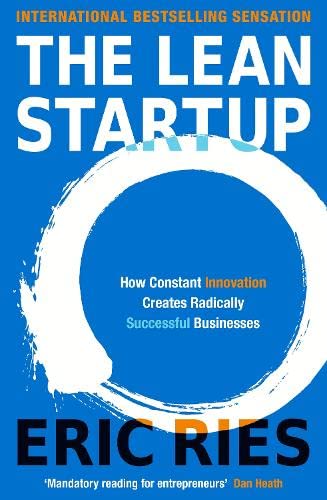
- BookThe Lean Startup · Bookshop.org
The Lean Startup by Eric Ries outlines a methodology that uses a minimum viable product, user feedback, and experimentation to refine an offering rather than relying on long-term business planning.

Book links are Bookshop.org affiliate links. Curiate may earn a commission on purchases, at no extra cost to you — Bookshop.org also gives a share to independent bookshops.
Reading paths, built to arrive somewhere
Curiate turns what you are curious about into a short path — a quick lesson on an article, something to watch, and a book to go deep on. Free to browse.