Harry Potter's Hidden World: School, Prejudice, and a Legendary Stone
At Gringotts, Harry finds a seemingly endless pile of gold in his vault. What places, rules, and conflicts shape the wizarding world he enters?
4 articles, 1 video, 1 book
The reading path
- ReadHarry Potter | How do wizards keep themselves so secret from Muggles? | Wizarding World · harrypotter.com
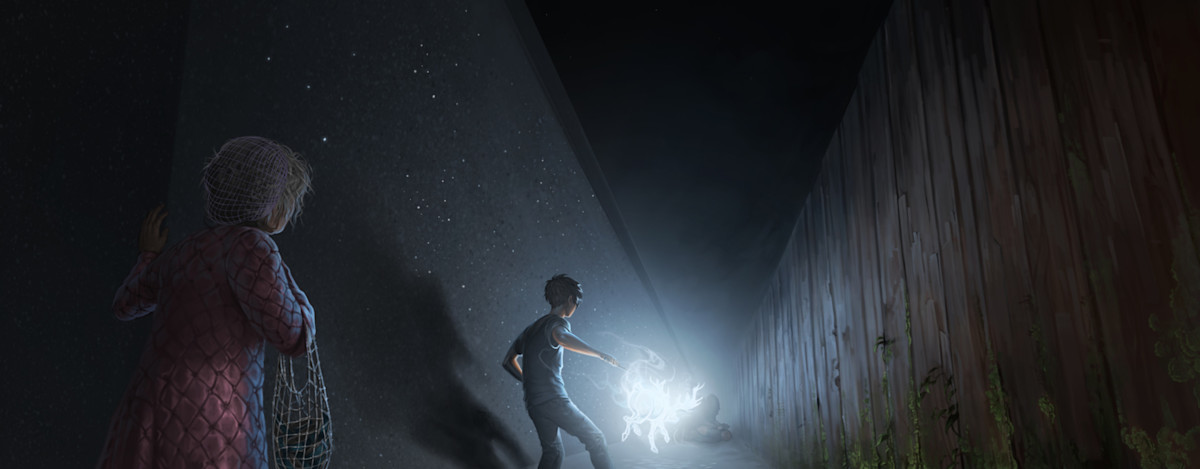
The wizarding world is a hidden society alongside the ordinary human world. Ordinary people are called Muggles. After Muggles persecuted people suspected of magic, many wizards chose secrecy. In 1689, an international law made secrecy the wider community's choice, with each country's Ministry of Magic responsible for enforcing it. Harry moves from a workaday world into a magical community.
- ReadHow Does Magic in the Harry Potter Universe Work? A Guide To The Wizarding World · Bustle
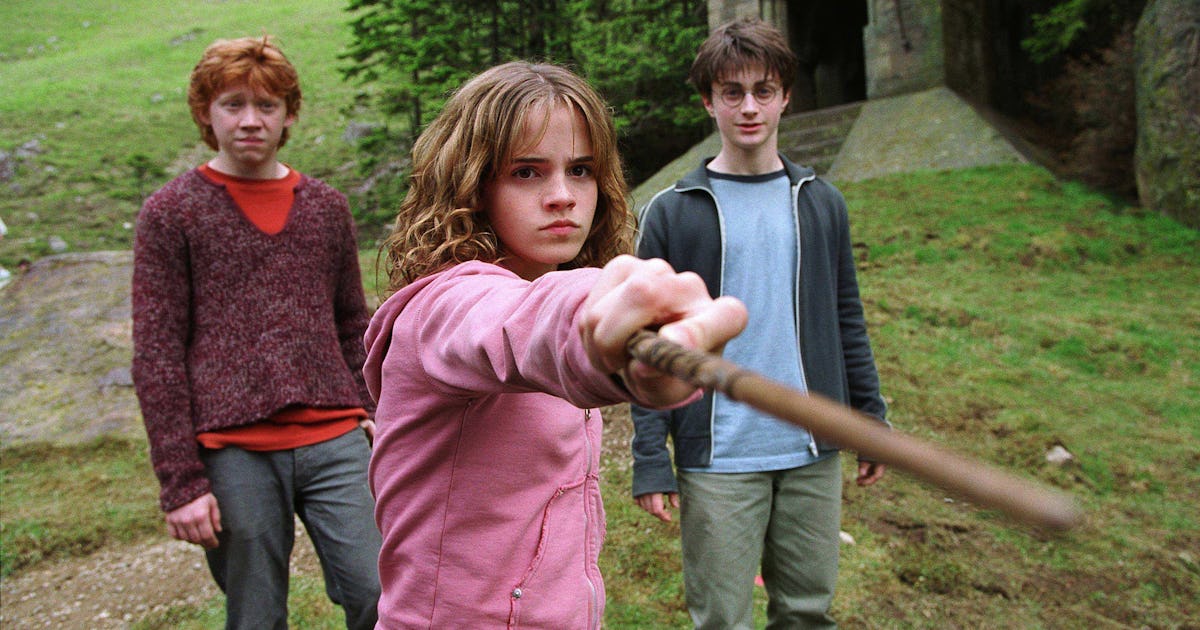
Magic is an ability that people with magical powers learn to control, rather than something school gives them. At Hogwarts, the school Harry attends, students learn subjects including Potions, Charms, and Transfiguration. To cast a spell, a witch or wizard points a wand and says an incantation. In the famous Charms lesson on "Wingardium Leviosa", the spell that lifts objects into the air, students learn that the wand movement ("swish and flick") and the pronunciation change what happens.
- ReadAuthor 'chilled' to learn Harry's half-blood status has Nazi parallels · The Scotsman
J. K. Rowling is the writer of the Harry Potter books. Some wizards use ancestry to claim superiority: "pure-blood" and "half-blood" are labels used by prejudiced characters such as Lucius Malfoy. The Death Eaters are followers of Lord Voldemort, and they use these labels too. Rowling said she invented the idea that some wizards were not considered "pure" and later recognised similarities to Nazi beliefs.
- ReadHarry Potter | The real Nicolas Flamel and the Philosopher's Stone | Wizarding World · harrypotter.com
In Harry Potter and the Philosopher's Stone, Nicolas Flamel is the only known maker of the Philosopher's Stone, which can turn metal into gold and produce the Elixir of Life, granting immortality. Flamel was a real person whose later reputation as an alchemist was fuelled by books attributed to him after his death.
- WatchFrom the 60 Minutes archives: J.K. Rowling · 60 Minutes
1999 interview in which Rowling spells out the secrets behind creating Harry Potter's magical world.
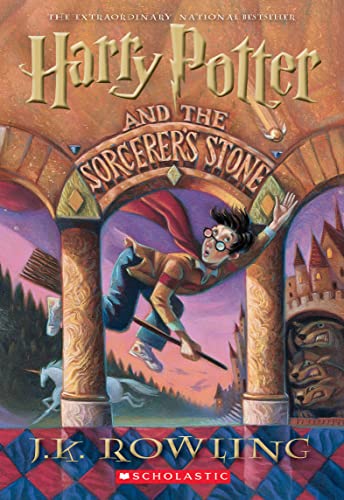
- BookHarry Potter and the Sorcerer's Stone · Bookshop.org
J. K. Rowling's first Harry Potter book: the story of a young orphan boy who discovers he has magical powers when a mentor arrives to take him away from his aunt and uncle.


Book links are Bookshop.org affiliate links. Curiate may earn a commission on purchases, at no extra cost to you — Bookshop.org also gives a share to independent bookshops.
Reading paths, built to arrive somewhere
Curiate turns what you are curious about into a short path — a quick lesson on an article, something to watch, and a book to go deep on. Free to browse.