How agriculture drives deforestation
Deforestation is the removal and destruction of a forest or stand of trees from land that is then converted to non-forest use, and agriculture is by far its direct cause. The lessons answer how agriculture drives forest destruction and help readers understand the relationship between farming and the loss of forests. They connect agricultural practices with the wider environmental effects of forest conversion.
2 articles, 1 book · about 1 hr 37 min of reading and viewing
The reading path
- Readdeforestation · Wikipedia · 60+ min read
Beef production is the primary driver of deforestation in the Amazon, with around 80% of all converted land used to rear cattle. 91% of Amazon land deforested since 1970 has been converted to cattle ranching. Slash-and-burn agriculture, a method of deforestation, cuts and burns small plots of forest land, which are then converted into agricultural zones. Farmers exploit nutrients in the ashes of the burned plants. Rural roads promote economic development but also facilitate deforestation: about 90% of the deforestation has occurred within 100 km of roads in most parts of the Amazon.
- ReadUN report: Five charts showing how global deforestation is declining - Carbon Brief · Carbon Brief · 8 min read
Agriculture has historically been the leading cause of deforestation around the world, but the report notes that wildfires, climate change-fueled extreme weather, insects and diseases increasingly pose a threat. Since 1990, the area of forest destroyed each year has halved in South America, although it still remains the region with the highest amount of deforestation.
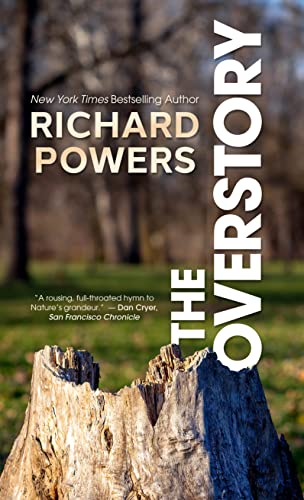
- BookThe Overstory · Bookshop.org
The Overstory by Richard Powers follows five characters who form a group that engages in eco-terrorism by burning logging equipment; the novel's wider story follows nine Americans whose experiences with trees bring them together to address forest destruction.


Book links are Bookshop.org affiliate links. Curiate may earn a commission on purchases, at no extra cost to you — Bookshop.org also gives a share to independent bookshops.
Reading paths, built to arrive somewhere
Curiate turns what you are curious about into a short path — a quick lesson on an article, something to watch, and a book to go deep on. Free to browse.