How the battle for the Amazon rainforest unfolds
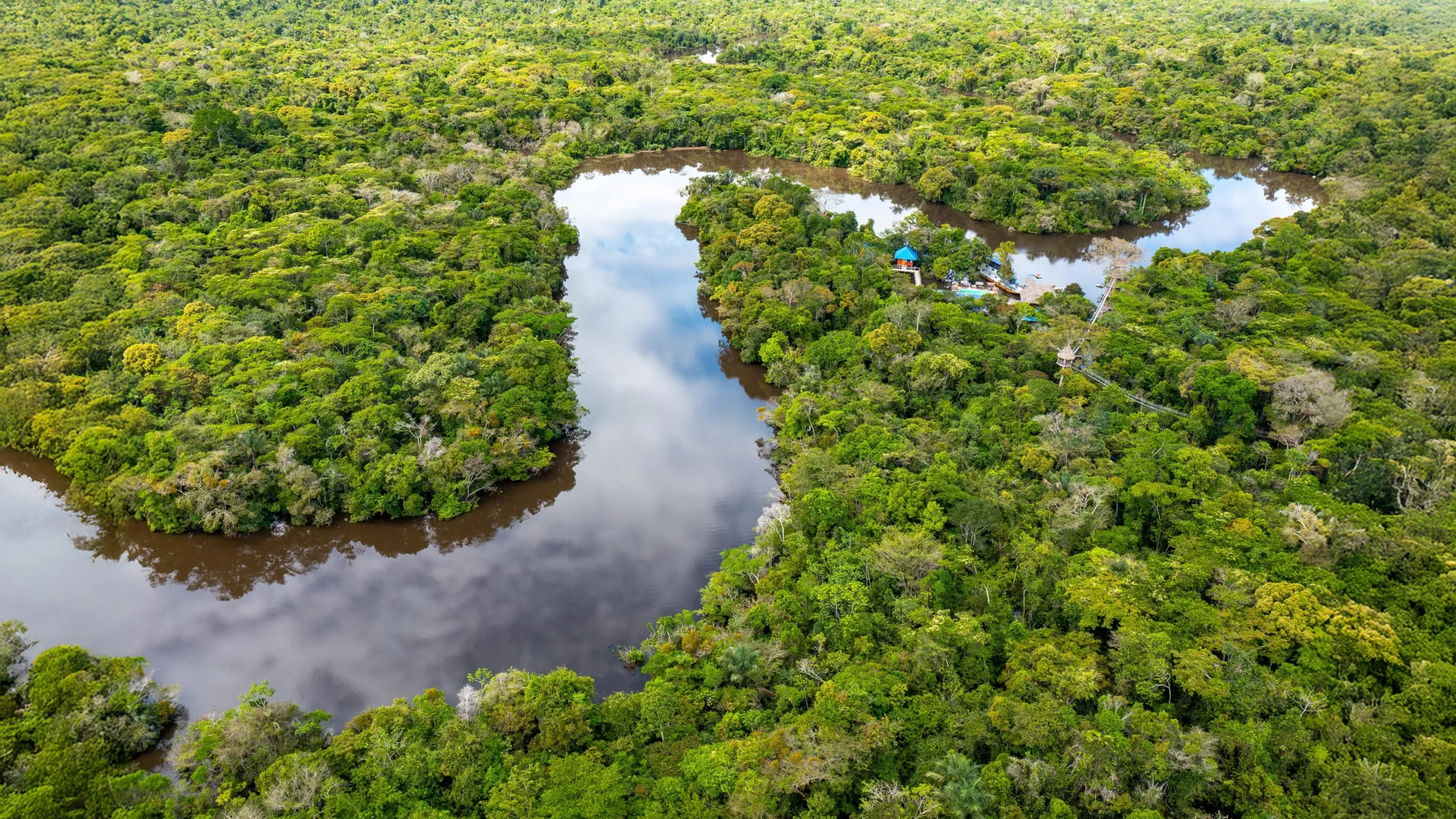
The battle for the amazon rainforest concerns the world's largest rainforest, which has more recently been cut down due to cattle farming and soybean farming; cattle ranching in the Brazilian Amazon is the primary cause of deforestation, accounting for about 80% of all deforestation in the region.
4 articles, 1 video, 1 book · about 1 hr 22 min of reading and viewing
The reading path
- Readthe battle for the amazon rainforest · Wikipedia · 45 min read
In the battle for the Amazon rainforest, the rainforest contributes to rainfall across Brazil, even in distant areas. It also facilitates water storage, providing freshwater to rivers that supply Brazil and other countries. Land titling initiatives led to a 75% reduction in deforestation over two years. Research conducted in the Peruvian Amazon demonstrates that legal titling of indigenous lands significantly reduces deforestation rates. Mining contributes significantly to deforestation in the Amazon rainforest, accounting for 9% of deforestation in 2005-2015.
- ReadA Resurgence of Deforestation in the Brazilian Amazon - JSTOR Daily · JSTOR Daily · 7 min read
Brazil's 2008 Central Bank resolution made agricultural and ranching credit depend on having no pending fines for illegal deforestation. Unlike fines, which can be appealed seemingly indefinitely and are often never paid, the credit ban is immediate and cannot be appealed; the slowdown in deforestation disproportionately reflected reduced clearing by large and medium landholders facing tight credit from government banks.
- Read"Deforestation in the Amazon Rainforest: causes, effects, solutions" · green.earth · 13 min read
The battle for the Amazon rainforest saw the Brazilian Amazon lose the equivalent of nearly 3,000 soccer fields a day to deforestation in 2022. According to Brazil's National Institute for Space Research, deforestation there rose more than 50% in the first three months of 2020 compared to the same period in 2019.
- ReadAmazon study reveals the best strategies for protecting biodiversity and carbon · ScienceDaily · 5 min read
For the battle to protect the Amazon rainforest, restoring forests while existing forests continue to be damaged can undermine the overall benefits. Embrapa senior researcher and 'Capoeira' research program principal investigator Dr. Joice Ferreira said, "investing in new forests makes little sense if, at the same time, we fail to protect existing forests."
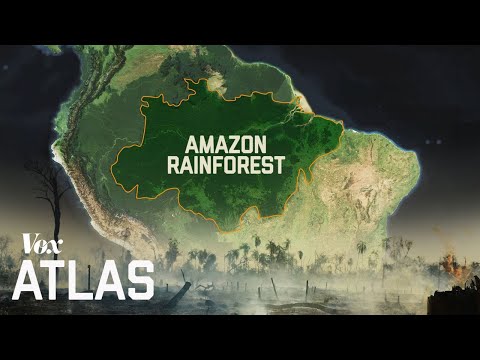
- WatchThe destruction of the Amazon, explained · YouTube · 12 min watch
Cattle ranching, logging, farming, global demand and weakened environmental protections have driven Amazon deforestation. The 2019 fires brought the crisis to worldwide attention.
- BookState of Wonder · Bookshop.org
State of Wonder is a 2011 novel by American author Ann Patchett. It is the story of pharmacologist Marina Singh, who journeys to Brazil to bring back information about seemingly miraculous drug research being conducted there by her former teacher, Dr. Annick Swenson.



Book links are Bookshop.org affiliate links. Curiate may earn a commission on purchases, at no extra cost to you — Bookshop.org also gives a share to independent bookshops.
Reading paths, built to arrive somewhere
Curiate turns what you are curious about into a short path — a quick lesson on an article, something to watch, and a book to go deep on. Free to browse.