How cultural studies examines culture and power
Cultural studies is an approach to understanding how people interpret and reshape meanings in media and everyday life, rather than simply receiving them. Beginning in 1964, Stuart Hall's pioneering work at CCCS, along with that of his colleagues and postgraduate students, gave shape and substance to the field. The lessons explore culture, identity, power, and collective participation.
3 articles, 1 video, 1 book · about 2 hr 6 min of reading and viewing
The reading path
- ReadCultural Studies, Multiculturalism, and Media Culture by Douglas Kellner · pages.gseis.ucla.edu · 29 min read
British cultural studies examined how audiences interpreted and used media culture differently, including newspapers, radio, television and film. It asked why audiences responded in contrasting ways to media texts, and studies of youth subcultures showed how culture shaped distinct forms of identity and group membership.
- ReadCulture is ordinary: the politics and letters of Raymond Williams – Culture Matters · culturematters.org.uk · 12 min read
Raymond Williams argued that Marxism can prescribe forms of culture, and that socialism requires collective, rather than elite, ownership of the means of communication as well as collective ownership of production. He argued that diversity and real democracy were necessary for a vibrant socialist culture.
- Readcultural studies · Wikipedia · 30 min read
Cultural studies treats not just written language but also television programs, films, photographs, fashion, and hairstyles as texts: meaningful artifacts of culture. It also approaches everyday spaces such as pubs, living rooms, gardens, and beaches as texts.
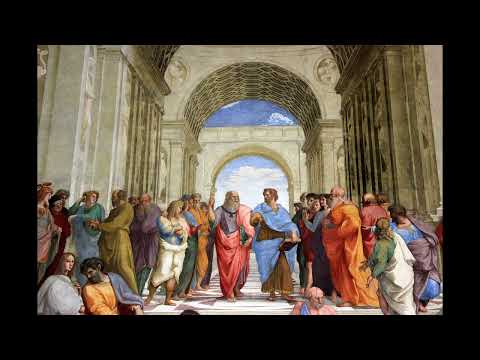
- WatchWestern Culture - Kwame Anthony Appiah (2016) · YouTube · 55 min watch
Kwame Anthony Appiah, a philosopher and cultural theorist, traces the history of the idea of Western culture and argues that it is mistaken, noting the influence of Islamic scholarship and that no one can claim exclusive ownership of culture.
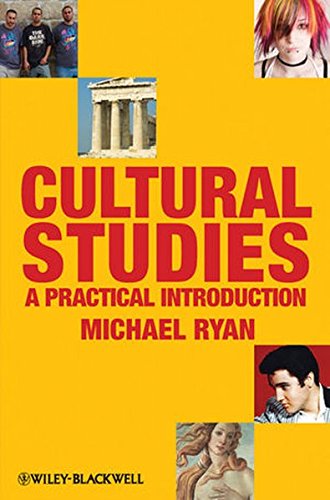
- BookCultural Studies: A Practical Introduction · Bookshop.org
In his 1994 book Introducing Cultural Studies, Ziauddin Sardar lists five main characteristics of cultural studies, including that its objective is to understand culture in all its complex forms and analyze the social and political context in which culture manifests itself. One aim, Sardar says, could be to examine cultural practices and their relation to power.
Book links are Bookshop.org affiliate links. Curiate may earn a commission on purchases, at no extra cost to you — Bookshop.org also gives a share to independent bookshops.
Reading paths, built to arrive somewhere
Curiate turns what you are curious about into a short path — a quick lesson on an article, something to watch, and a book to go deep on. Free to browse.