How data privacy laws balance privacy rights with data collection
Data privacy laws provide a legal framework for obtaining, using, and storing natural persons' data. These lessons answer how privacy rights relate to the collection of personal data. They consider how legal protections shape the handling of information by governments and organizations.
2 articles, 1 book · about 27 min of reading and viewing
The reading path
- Readdata privacy laws · Wikipedia · 23 min read
The 1973 HEW advisory report proposes that data should be deleted when it is no longer needed for the stated purpose. In European data privacy law, Article 8 of the European Convention on Human Rights (ECHR) provides a right to respect for one's "private and family life, his home and his correspondence", subject to certain restrictions. The European Court of Human Rights has given Article 8 a very broad interpretation in its jurisprudence. The law requires government and private organizations with at least 250 employees or access to the personal and identifiable information of at least 1000 people to appoint a Data Protection Officer. The officer would assist in regulating the management of personal information in those entities.
- ReadUp to Date with the EU on Data Protection: Canvassing Implications for the US · Just Security · 4 min read
The current EU proposal aims to alter the 1995 EU Privacy Directive, criticized as out of date due to rapid technological development and a massive increase in online use of privacy information. The proposal also reflects the need to increase privacy protection for individuals.
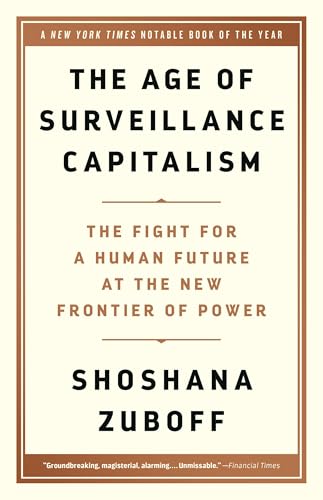
- BookThe Age of Surveillance Capitalism · Bookshop.org
The Age of Surveillance Capitalism by Shoshana Zuboff says surveillance capitalism "unilaterally claims human experience as free raw material" for behavioral data and prediction products. Platforms and tech companies also claim ownership of private information.

Book links are Bookshop.org affiliate links. Curiate may earn a commission on purchases, at no extra cost to you — Bookshop.org also gives a share to independent bookshops.
Reading paths, built to arrive somewhere
Curiate turns what you are curious about into a short path — a quick lesson on an article, something to watch, and a book to go deep on. Free to browse.