How Music and Dance Relate
Music and Dance was an Australian television program, a four part series aired live in 1959 on Melbourne station ABV-2, part of ABC. The lessons answer how music and dance relate, and how their relationship can be understood through performance and changing dance practices. They consider how music accompanies dance and how dance practices shape the way music is performed and shared.
2 articles, 1 video, 1 book · about 8 min of reading and viewing
The reading path
- Readthe relationship between music and dance · Wikipedia · 1 min read
Latvian dancer Vija Vetra, who was living in Australia at the time, danced accompanied by Robert Wilson on the piano, as the title of the series suggests.
- ReadWhen Mambo Was King, Its Creators Were Stereotyped - JSTOR Daily · JSTOR Daily · 2 min read
Mambo's relationship to dance was not one fixed style: David F. García explains that "mambo" identified a new trend in existing danzón choreography. Dance schools capitalized on the music's popularity, but teachers often stripped the dance of improvisational and innovative steps, standardizing a sequence of steps. This obscured the music's roots and helped mainstream it.
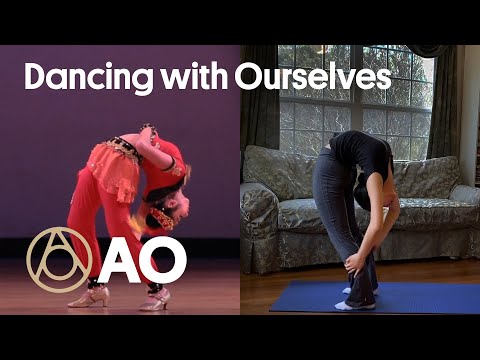
- WatchHow Chinese Folk Dancers Continue to Practice During Quarantine | Atlas Obscura · YouTube · 5 min watch
The Xuejuan Dance Ensemble kept practicing classical Chinese dance online during quarantine, even though teaching its body rhythm virtually is difficult. Chinese folk dance reflects regional and cultural differences, and it connects Chinese-American dancers with their ancestors.
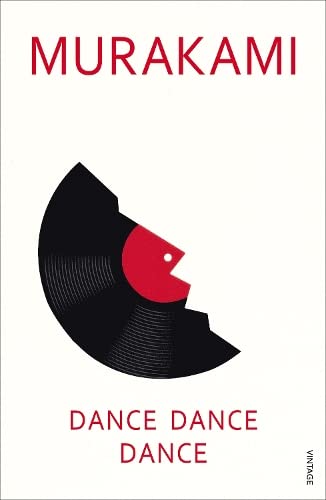
- BookDance Dance Dance · Bookshop.org
Dance Dance Dance by Haruki Murakami combines an offbeat cast of characters, including a psychic 13-year-old dropout with a passion for Talking Heads, with Murakami's idiosyncratic prose.

Book links are Bookshop.org affiliate links. Curiate may earn a commission on purchases, at no extra cost to you — Bookshop.org also gives a share to independent bookshops.
Reading paths, built to arrive somewhere
Curiate turns what you are curious about into a short path — a quick lesson on an article, something to watch, and a book to go deep on. Free to browse.