How philosophy of language works in shared life
Philosophy of language studies what language is and how it relates to language users and the world. These lessons help you understand how language works through shared use in social life. They connect questions about meaning, thought, communication and grammar to the ways people make sense of one another.
2 articles, 1 video, 1 book
The reading path
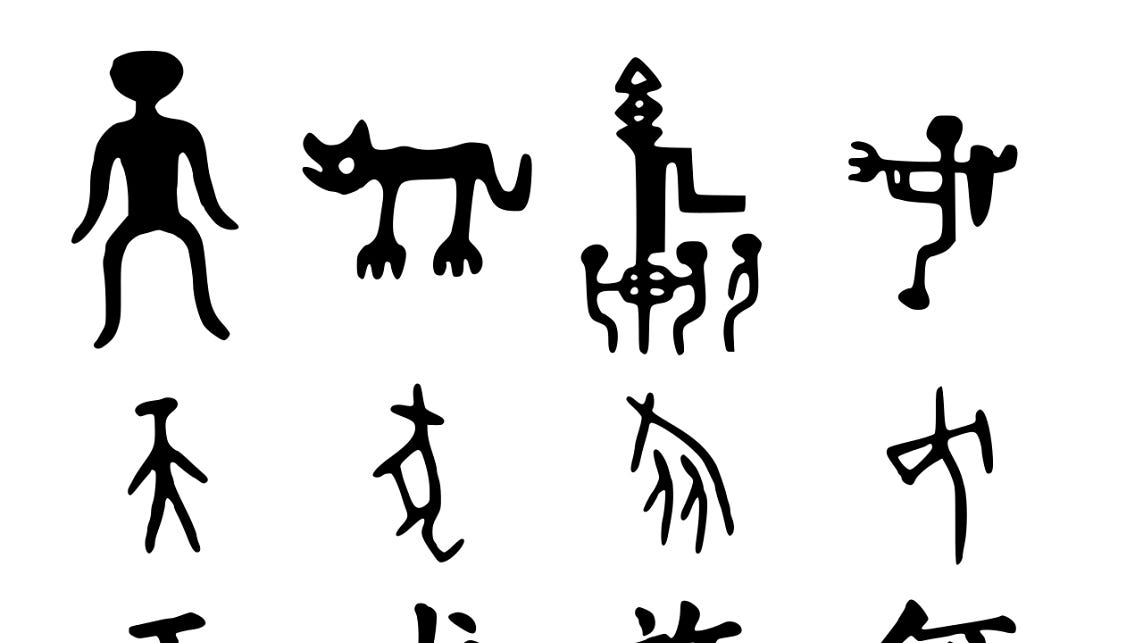
- ReadYour Book Review: How Language Began · Astral Codex Ten (Substack)
Noam Chomsky says language is sometimes used for communication, as are style of dress, facial expression and stance, and much else. He argues that fundamental properties of language design indicate that a rich tradition is correct in regarding language as essentially an instrument of thought, even if Humboldt's identification of language and thought is not accepted.
- Readphilosophy of language · Wikipedia · 35 min read
The use theory of meaning, most commonly associated with the later Wittgenstein, helped inaugurate the idea of "meaning as use" and a communitarian view of language. Wittgenstein was interested in how communities use language and how far it can be taken. Symbolic interactionism, a field of sociology relevant to philosophy of language, holds that human social organization is based almost entirely on the use of meanings. Explanations of social structures such as institutions therefore need to account for the shared meanings that create and sustain them.
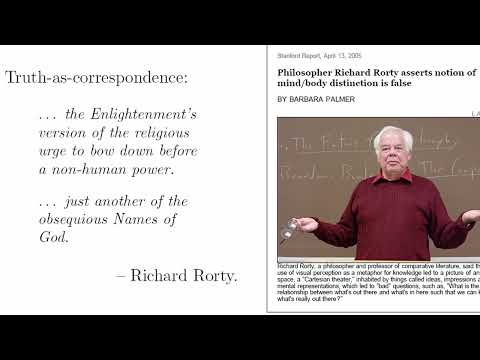
- WatchWhat is Truth? Classical Theories of Truth (Huw Price) · YouTube · 12 min watch
Professor Huw Price gives an introductory overview of the main classical conceptions of the nature of truth and some of the general advantages and problems that arise for each type of view. The video is from a 2006 lecture on the nature of truth.
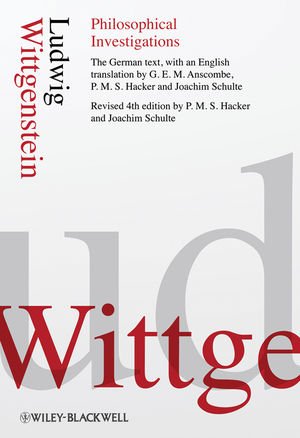
- BookPhilosophical Investigations · Bookshop.org
Philosophical Investigations by Ludwig Wittgenstein discusses language games and how speaking is part of an activity or form of life.

Book links are Bookshop.org affiliate links. Curiate may earn a commission on purchases, at no extra cost to you — Bookshop.org also gives a share to independent bookshops.
Reading paths, built to arrive somewhere
Curiate turns what you are curious about into a short path — a quick lesson on an article, something to watch, and a book to go deep on. Free to browse.