How poisons affect bodies in toxicology
Toxicology studies how chemical substances harm living organisms and how exposures to toxins and toxicants are diagnosed and treated, with attention to how dose relates to effects. These lessons answer how poisons affect bodies and help readers understand the range of ways exposure can cause harm. They follow themes of chemical accumulation, poisoning, and the use of toxicology in investigations.
3 articles, 1 video, 1 book · about 32 min of reading and viewing
The reading path
- Readtoxicology · Wikipedia · 19 min read
In toxicology, some chemicals bioaccumulate because they are stored in the body rather than excreted, so they receive special consideration in assessing how substances affect the body. Forensic toxicology uses toxicology, analytical chemistry, pharmacology and clinical chemistry to aid medical or legal investigations of death, poisoning and drug use. Its primary concern is obtaining and interpreting results, not the legal outcome or technology used. In 1850, Jean Stas became the first person to successfully isolate plant poisons from human tissue. This allowed him to identify the use of nicotine as a poison in the Bocarmé murder case, providing the evidence needed to convict the Belgian Count Hippolyte Visart de Bocarmé of killing his brother-in-law.
- ReadBotulism - Harvard Health · Harvard Health Blog · 6 min read
Botulism is poisoning caused by exposure to Clostridium botulinum bacteria. The bacteria produce botulinum toxin, which interferes with muscle function and can paralyze muscles.
- ReadHow Poison Ivy Works - JSTOR Daily · JSTOR Daily · 2 min read
Poison ivy smoke can cause toxic dermatitis in the mouth, eyes, throat, or even the respiratory system because urushiol survives burning.
- WatchWhy don't poisonous animals poison themselves? - Rebecca D. Tarvin · YouTube · 5 min watch
Rebecca D. Tarvin details how animals that use toxic chemicals to defend themselves survive their own poisons.
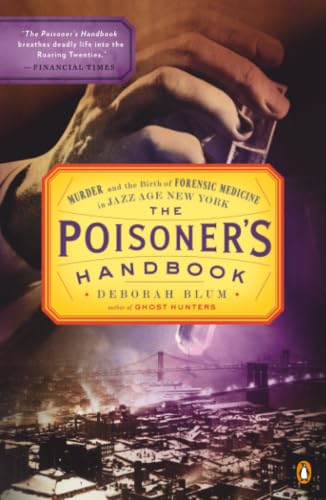
- BookThe Poisoner's Handbook: Murder and Detection in the Victorian Era · Bookshop.org
The Poisoner's Handbook by Deborah Blum shares how poison rocked Jazz Age New York City, where modern life created a "poison playground" and Prohibition sparked a chemist's war between bootleggers and government chemists.


Book links are Bookshop.org affiliate links. Curiate may earn a commission on purchases, at no extra cost to you — Bookshop.org also gives a share to independent bookshops.
Reading paths, built to arrive somewhere
Curiate turns what you are curious about into a short path — a quick lesson on an article, something to watch, and a book to go deep on. Free to browse.