How PR turned smoking into a protest for equality
In 1929, Edward Bernays arranged for women to light Lucky Strike cigarettes in front of eager photographers, and The New York Times called it a gesture of "Freedom." How can public relations shape what the public thinks about an organization or individual? Public relations is the practice of managing and sharing information with the public to influence their perception.
3 articles, 1 book
The reading path
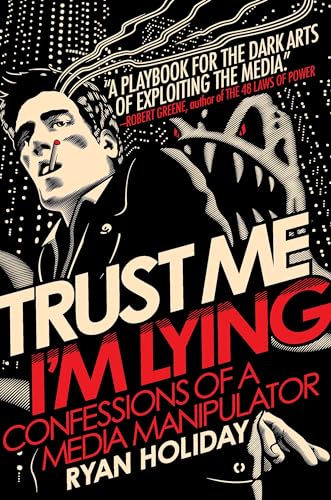
- BookTrust Me, I'm Lying: Confessions of a Media Manipulator · Bookshop.org
Edward Bernays, a pioneer in public relations, the practice of managing and sharing information to influence public perception, staged a spectacle of liberated, smoking women that the New York Times described on its front page on April 1st, 1929, as 'Group of Girls Puff at Cigarettes as a Gesture of "Freedom"'. It was no April Fools' joke; the spectacle was one of Bernays' most celebrated planned events to attract public attention.
- ReadEdward Bernays: The Original Influencer · History Today
Edward Bernays, an Austrian-American pioneer in public relations, the practice of managing and sharing information to influence public perception, was the nephew of Sigmund Freud. Freud's psychoanalytic theory, a theory about the structure of the human soul and personality development, held that people are motivated by unconscious desires, and Bernays's early adoption of it helped define the goals and strategies of public relations. Edward Bernays, regarded as a pioneer of public relations, was hired by George Washington Hill, president of the American Tobacco Company, a tobacco company, to persuade women to smoke. Bernays asked a female friend to find women to march in the New York City Easter Day parade and tell the press they would light "Torches of Freedom"; the women lit Lucky Strike cigarettes in front of eager photographers.
- ReadPublic relations campaigns of Edward Bernays · Wikipedia
Public relations made women smoking in public a visible equality protest: until then, women were only permitted to smoke in certain places such as in the privacy of their own homes. Once the footage was released, the women's walk was seen as a protest for equality and sparked discussion throughout the nation.
- ReadTorches of Freedom · Wikipedia
Trust Me, I'm Lying by Ryan Holiday describes how blogs drive and can be manipulated to shape news, and how those tactics can backfire, with consequences for the media system.


Book links are Bookshop.org affiliate links. Curiate may earn a commission on purchases, at no extra cost to you — Bookshop.org also gives a share to independent bookshops.
Reading paths, built to arrive somewhere
Curiate turns what you are curious about into a short path — a quick lesson on an article, something to watch, and a book to go deep on. Free to browse.