How repetition and waiting shape absurdist plays
Theater of the absurd is a style of plays that focuses on life without meaning or purpose and on communication breaking down. What can repetition, waiting, and stalled action help us understand about this theater? The lessons consider how these patterns shape dramatic relationships and the sense of movement.
2 articles, 1 video, 1 book · about 45 min of reading and viewing
The reading path
- Readtheater of the absurd · Wikipedia · 32 min read
In theater of the absurd, the action of Godot is centered around the absence of a man named Godot, for whom the characters perpetually wait. Absurdist plays often feature characters in interdependent pairs, commonly either two males or a male and a female. Their relationship may be roughly equal, dominant and passive, or shift dramatically throughout the play, as in Ionesco's The Lesson. Samuel Beckett's theater of the absurd play Waiting for Godot was first performed on 5 January 1953 at the Théâtre de Babylone in Paris.
- ReadThe Theatre of the Absurd | British Literature Wiki · sites.udel.edu · 7 min read
Samuel Beckett's Waiting for Godot (1952), the most well-known play from the absurdist movement, features the isolation of the individual. Vladimir and Estragon are tramps on the outskirts of society who are isolated from one another despite having each other; one indication is that they are never able to adequately communicate, and their conversation goes in circles.
- WatchAsteroid City, Liminal Spaces and Absurdism · YouTube · 6 min watch
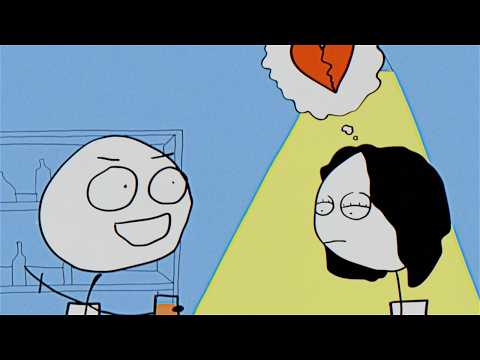
Camus's The Myth of Sisyphus is one of the sources behind this video on Asteroid City, liminal spaces and absurdism.
- BookWaiting for Godot · Bookshop.org
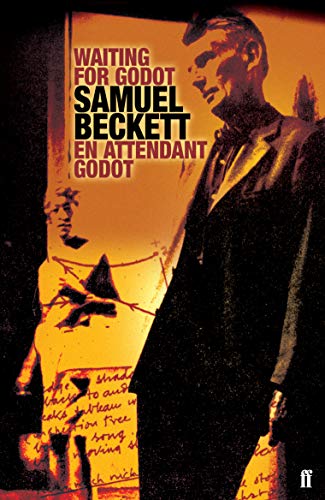
Waiting for Godot by Samuel Beckett follows Vladimir and Estragon, two seemingly homeless men waiting near a tree for someone or something named Godot. The play's comical wordplay, poetry, dreamscapes, and nonsense have been interpreted as mankind's inexhaustible search for meaning.

Book links are Bookshop.org affiliate links. Curiate may earn a commission on purchases, at no extra cost to you — Bookshop.org also gives a share to independent bookshops.
Reading paths, built to arrive somewhere
Curiate turns what you are curious about into a short path — a quick lesson on an article, something to watch, and a book to go deep on. Free to browse.