How textile science turns craft into function
Textile science concerns fibre-based materials that meet needs ranging from everyday clothing to technical applications such as bulletproof jackets and spacesuits. Its topics include natural and synthetic fibres, textile processes, and materials designed for technical uses beyond appearance.
2 articles, 1 book · about 48 min of reading and viewing
The reading path
- Readtextile science · Wikipedia · 44 min read
In textile science, technical textiles are produced for industrial purposes and designed and chosen for technical characteristics beyond their appearance. They include medical textiles such as implants, geotextiles for reinforcing embankments, and protective clothing resistant to heat, radiation, molten metals, or puncture. In textile science, natural fibres are relatively short [staple] in length, while synthetic fibres are produced in longer lengths called filaments. Eisengarn, a light-reflecting, strong material invented in Germany in the 19th century, is made by soaking cotton threads in starch and paraffin wax, then stretching and polishing them with steel rollers and brushes. This textile process produces a lustrous, tear-resistant, extremely hardwearing yarn.
- ReadHarvard scientists turn knitting into shape-shifting smart fabric · ScienceDaily · 4 min read
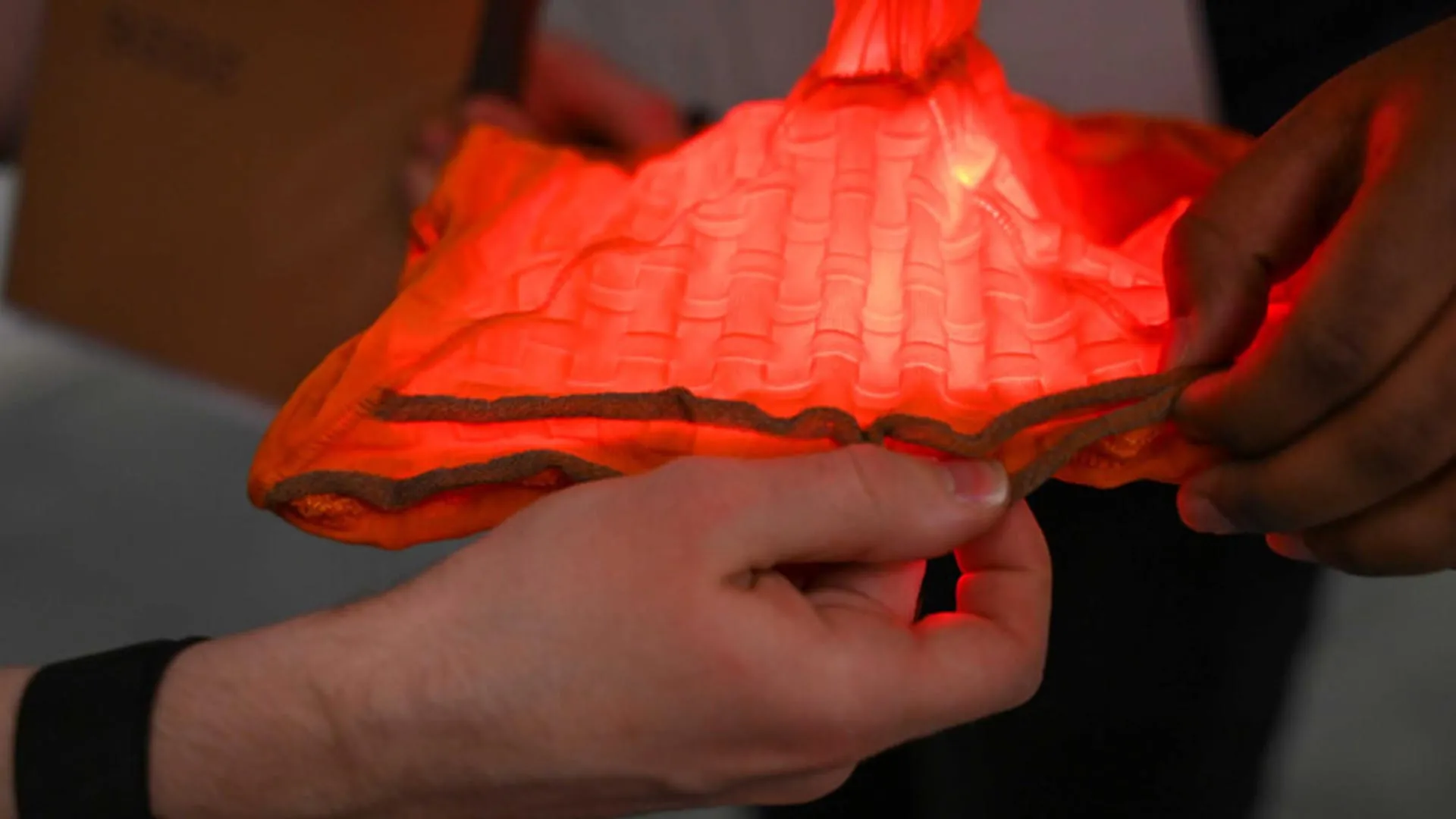
Harvard researchers used conventional knitting techniques to create functional fabrics that change shape, sense movement, and operate as switches. Using elastic yarns and industrial knitting techniques, the team engineered thick textiles that naturally curve and lock into multiple stable configurations. Harvard researchers used highly elastic yarns and plating, which places different yarns on opposite faces of the textile, to produce dense, thick fabrics that naturally curl into three-dimensional forms. Weft knitting, often used to produce hats and gloves, can create complex curved structures using yarn alone, linking textile craft to functional fabrics.
- BookThe Fabric of Civilization: How Textiles Made the World · Bookshop.org
The Fabric of Civilization by Virginia Postrel argues that coloring and finishing cloth are linked to chemistry, weaving to binary code and perhaps all of mathematics, and selective breeding for fibers to agriculture. These connections show how textile science reaches into other fields.

Book links are Bookshop.org affiliate links. Curiate may earn a commission on purchases, at no extra cost to you — Bookshop.org also gives a share to independent bookshops.
Reading paths, built to arrive somewhere
Curiate turns what you are curious about into a short path — a quick lesson on an article, something to watch, and a book to go deep on. Free to browse.