The 1950s red scare and its costs
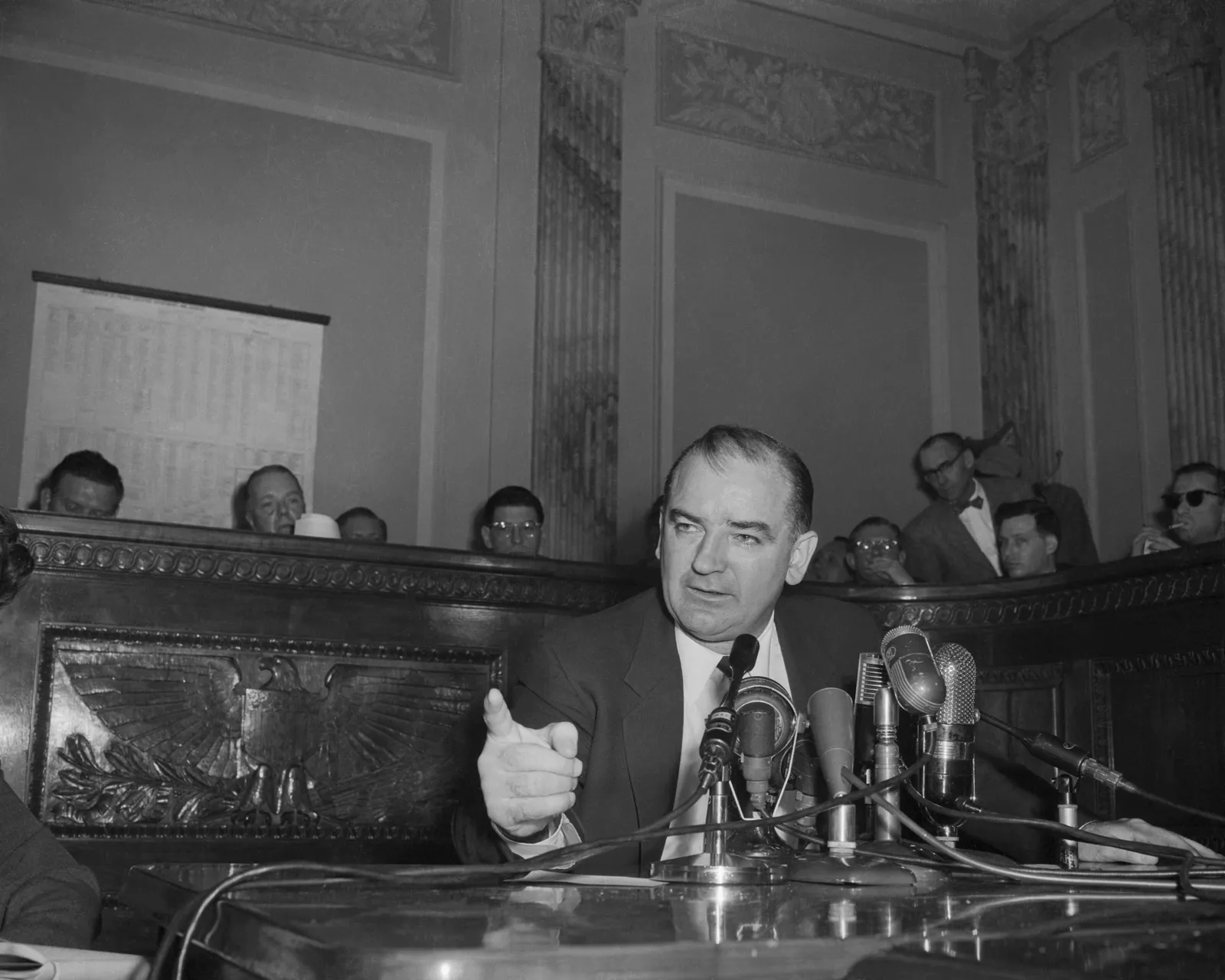
The red scare in the 1950s was a moral panic provoked by fear of left-wing ideologies, especially communism and socialism; the Second Red Scare followed World War II and centered on fears that communists were infiltrating or subverting American society and the federal government, with senator Joseph McCarthy playing a key role in disseminating those fears from 1950.
2 articles, 1 book
The reading path
- Readthe red scare in the 1950s · Wikipedia
Julius Hlavaty, a math teacher and department chair at Bronx High School of Science, was broadly considered the best math teacher in America. He dabbled in left-wing politics in the 1930s and was called before Joseph McCarthy's committee in 1953; after he refused to discuss his past, he was fired and blacklisted from teaching, a whiplash that could leave people believed to be in trouble for earlier beliefs and activities.
- ReadNewly Declassified Documents Reveal the Untold Stories of the Red Scare, a Hunt for Communists in Postwar America · Smithsonian Science
After accusing the army, including war heroes, Senator Joseph McCarthy lost credibility, and the Army-McCarthy Hearings were held in the summer of 1954; his colleagues formally censured him, diminishing his political power. The Supreme Court then restricted anti-communist enforcement, including in Yates v. United States in 1957, which limited Congress's ability to circumvent the First Amendment.
- BookThe Crucible · Bookshop.org
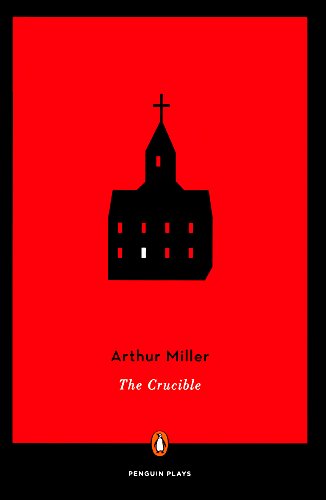
The Crucible by Arthur Miller portrays a community engulfed by hysteria, where ruthless prosecutors and neighbors testifying against one another reveal the destructive power of socially sanctioned violence. Miller argues that the 1953 drama mirrors the anti-communist hysteria inspired by Senator Joseph McCarthy's "witch-hunts" in the United States.
Book links are Bookshop.org affiliate links. Curiate may earn a commission on purchases, at no extra cost to you — Bookshop.org also gives a share to independent bookshops.
Reading paths, built to arrive somewhere
Curiate turns what you are curious about into a short path — a quick lesson on an article, something to watch, and a book to go deep on. Free to browse.