The development of the U.S. craft beer movement
The craft beer movement in the United States is the growth of beer made by smaller, often independently owned breweries. This path helps readers understand how the movement developed and where it could lead, from its roots in small breweries to the ways craft beer has shaped the wider brewing industry.
3 articles, 1 book
The reading path
- Readthe development of the craft beer movement in the united states · Wikipedia
Large commercial breweries introduced new brands for the craft beer market, and when that strategy failed, corporate breweries invested in microbreweries or, in many cases, acquired them outright. Craft beer competes on quality and diversity rather than low price and advertising, and its influence has exceeded its 2% market share in the UK. In 2013, the United States had more than 200 nanobreweries, small operations that must meet state and federal licensing requirements. Their lower startup costs have made them popular with home brewers looking to expand and practice their skills; they often brew in garages or small industrial spaces and sell small batches to local bars or customers. Cans, once associated with major brewing corporations, became a growing craft-beer choice: their use by craft brewers doubled between 2012 and 2014, when over 500 companies in the United States used them. Craft brewers value cans because they block oxygen and light, travel and cool easily, and offer space for designs; most are lined with a polymer coating, though brewers recommend pouring beer into a glass to avoid a possible metallic taste.
- BookThe Audacity of Hops: The History of America's Craft Beer Revolution · Bookshop.org
Fritz Maytag, one of America's foremost brewers, saved Anchor, which in 1965 was America's smallest brewery and the only one making really distinctive beer. After borrowing $15,000 to buy a major share, Maytag focused on all-malt brewing, steady temperatures and rigid quality controls; he found success in producing a unique and distinctive product and was not interested in high volume sales.
- ReadThe Craft Beer Revolution, 30 Years On - All About Beer · All About Beer - Beer News, Reviews, Podcasts, and Education
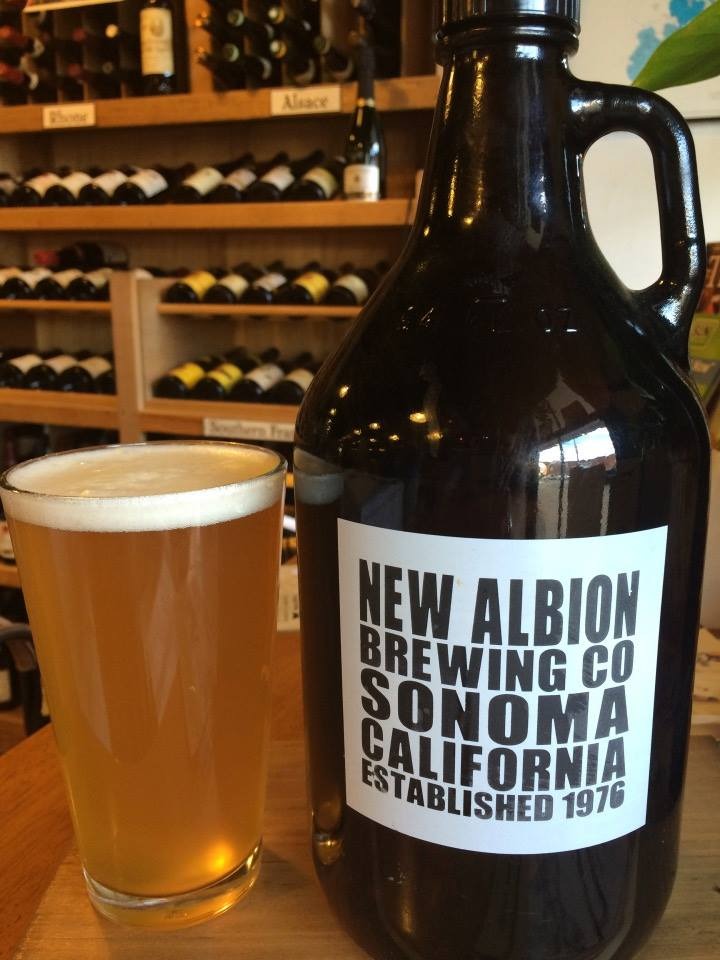
Jack McAuliffe, along with two business partners, milled their own grains and bottled the finished product by hand, producing roughly 495 12-ounce bottles at a time. Ken Grossman toured New Albion while considering a small brewery of his own, and seeing McAuliffe's homebrewing kit, equipment for making beer at home, writ large convinced Grossman his plan was at least viable, if not a slam dunk.
- ReadWhy We're Still Talking About The New Albion Brewing Company 40 Years Later - Food Republic · Food Republic
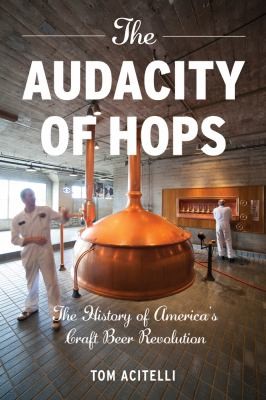
The Audacity of Hops by Tom Acitelli charts craft beer's birth and growth across the United States through stories of major figures and businesses, connecting the movement to larger American culinary developments and its magazines, festivals, and home brewing.

Book links are Bookshop.org affiliate links. Curiate may earn a commission on purchases, at no extra cost to you — Bookshop.org also gives a share to independent bookshops.
Reading paths, built to arrive somewhere
Curiate turns what you are curious about into a short path — a quick lesson on an article, something to watch, and a book to go deep on. Free to browse.