The Dutch East India Company had a decisive voice
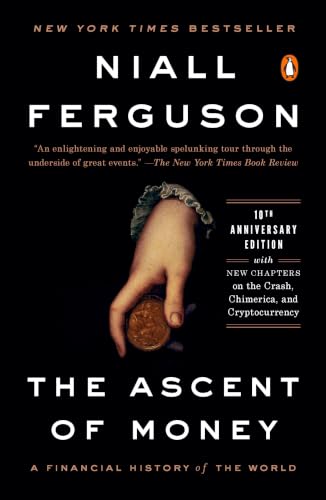
Although Amsterdam held only eight of the Dutch East India Company's seventeen governing seats, it had the decisive voice. Who gets to control finance when women are judged irrational investors, citizens can trade company shares, and one city can steer a company with the power to wage war and strike coins? The Dutch East India Company was a chartered trading company and one of the first joint-stock companies in the world. The Ascent of Money by Niall Ferguson describes the long history of money, credit, and banking.
3 articles, 1 book
The reading path
- ReadThe Long History of Financial Advice for Women - JSTOR Daily · JSTOR Daily
Dutch East India Company shares were open to any citizen of the Dutch Republic and traded in open-air secondary markets, one of which became the Amsterdam Stock Exchange. The company could also wage war, imprison and execute convicts, negotiate treaties, strike its own coins, and establish colonies.
- BookThe Ascent of Money: A Financial History of the World · Bookshop.org
In financial history, many observers saw women's financial failures as a sign that they were too prone to excitement and emotion to invest rationally. In a rather circular fashion, this became an argument that women should leave investment decisions to men's more sober and rational decisions.
- ReadDutch East India Company · Wikipedia
The Dutch East India Company, a company, had a governing body called the Heeren XVII, with eight of its seventeen seats held by Amsterdam, one short of a majority on its own, yet Amsterdam had the decisive voice.
- ReadDutch East India Company · New World Encyclopedia
The Ascent of Money, by Niall Ferguson, describes the long history of money, credit, and banking.


Book links are Bookshop.org affiliate links. Curiate may earn a commission on purchases, at no extra cost to you — Bookshop.org also gives a share to independent bookshops.
Reading paths, built to arrive somewhere
Curiate turns what you are curious about into a short path — a quick lesson on an article, something to watch, and a book to go deep on. Free to browse.