The history of stand-up comedy and comic voice
The history of stand-up comedy concerns an art form involving a stand-up comic and an audience, which originated in various traditions of popular entertainment in the late 19th century. How do a comic's choices and an audience's response shape a distinctive voice? By the end, readers will understand how comedy's targets, reception, style, and persona contribute to a comic's voice.
3 articles, 1 book
The reading path
- Readthe history of stand-up comedy · Wikipedia
Punching up and punching down is the idea that comedy should target the rich and powerful rather than those who are marginalized and less fortunate. Colin Quinn, a comedian, criticized these terms as "not created by humorous people." A joke's reception hinges on whether the audience understands its premise and appreciates its punchline. A seasoned comic may react to the audience and use its response to further the narrative; the audience's laughter delegates a joke's success, and if it does not laugh, the joke is not working.
- Read"Different Styles of Stand-up Comedy" · comedyville.ca
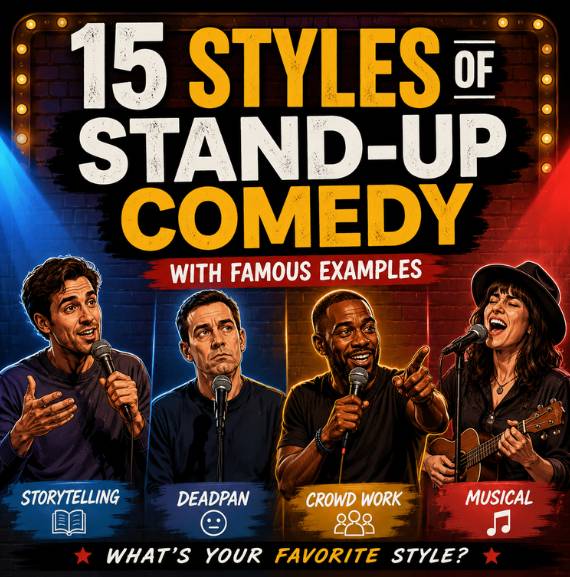
Dave Chappelle combines storytelling, topical comedy and social commentary; George Carlin mixed observational comedy with satire, Robin Williams combined characters, improvisation and physical performance, and Joan Rivers mixed one-liners, insults and self-deprecating humour. These examples show that a comedian's individual voice often develops from a particular combination of styles, rather than from fitting perfectly into one category.
- Read"10 Great Fictional Characters From Stand-Up Comedy" · pastemagazine.com
Andrew Clay's Diceman persona runs from the moment Clay steps onstage to the end of the show, with no visible transitions or third-person introductions; Clay's stand-up shows are entirely based on one character. Maria Bamford's Christy Coombs, by contrast, combines eccentricities with relatability: Bamford's performance helps audiences laugh at an experience of dealing with someone like Coombs.
- BookBorn Standing Up: A Comic's Life · Bookshop.org
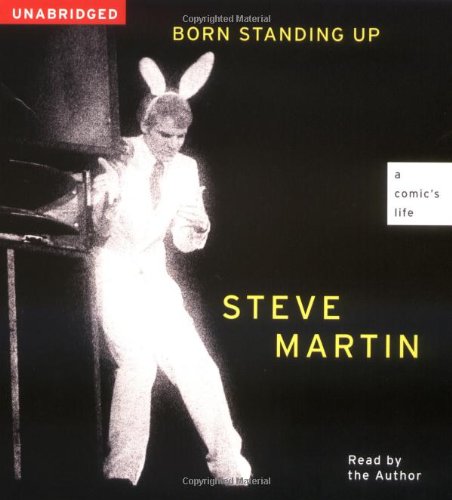
Born Standing Up by Steve Martin traces how Martin practiced and honed his craft, describing the sacrifice and discipline behind his work and how a comedian's approach develops over time.


Book links are Bookshop.org affiliate links. Curiate may earn a commission on purchases, at no extra cost to you — Bookshop.org also gives a share to independent bookshops.
Reading paths, built to arrive somewhere
Curiate turns what you are curious about into a short path — a quick lesson on an article, something to watch, and a book to go deep on. Free to browse.