The limits of cultural imperialism theory
Cultural imperialism is when a dominant group imposes its culture on another community, using cultural practices to enforce a way of life and trying to transform or erase parts of the subordinate culture. The lessons answer how far the media imperialism thesis can explain cultural influence, while accounting for the varied ways people interpret and respond to it.
2 articles, 1 book · about 1 hr 4 min of reading and viewing
The reading path
- Readcultural imperialism · Wikipedia · 36 min read
John Tomlinson doubts that US television shows in developing nations actually carry US values or improve US companies' profits. He also argues that movement between cultural and geographical areas involves translation, mutation, adaptation, and the creation of hybridity. Cultural imperialism can mean either forced acculturation of a subject population or individuals' voluntary embrace of a foreign culture. Because these are very different referents, the validity of the term has been called into question. Opposition to cultural imperialism, voluntary or otherwise, is often justified by preserving cultural diversity, which some see as analogous to ecological diversity. Proponents argue either that diversity is valuable in itself for preserving human historical heritage and knowledge, or that it offers more ways to solve problems and respond to catastrophes.
- ReadReconsidering Cultural Imperialism Theory - Arab Media & Society · Arab Media & Society · 28 min read
In debates about cultural imperialism, a study of "Dallas" included four groups of Israeli viewers: Israeli Arabs, Moroccan Jewish immigrants, kibbutz members, and new Russian immigrants. The message imparted by "Dallas" depended on viewers' values and varied according to their group's experiences.
- BookCultural Imperialism: A Critical Introduction · Bookshop.org
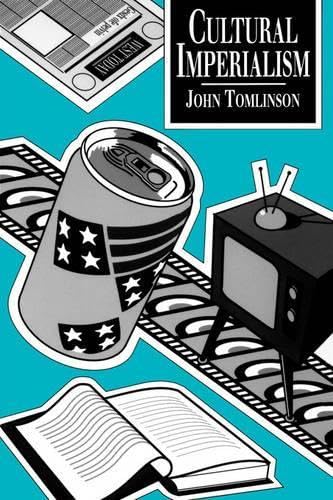
Cultural Imperialism by John Tomlinson explores how cultural imperialism shapes global interactions.

Book links are Bookshop.org affiliate links. Curiate may earn a commission on purchases, at no extra cost to you — Bookshop.org also gives a share to independent bookshops.
Reading paths, built to arrive somewhere
Curiate turns what you are curious about into a short path — a quick lesson on an article, something to watch, and a book to go deep on. Free to browse.