The rise of dot-com companies and business fundamentals
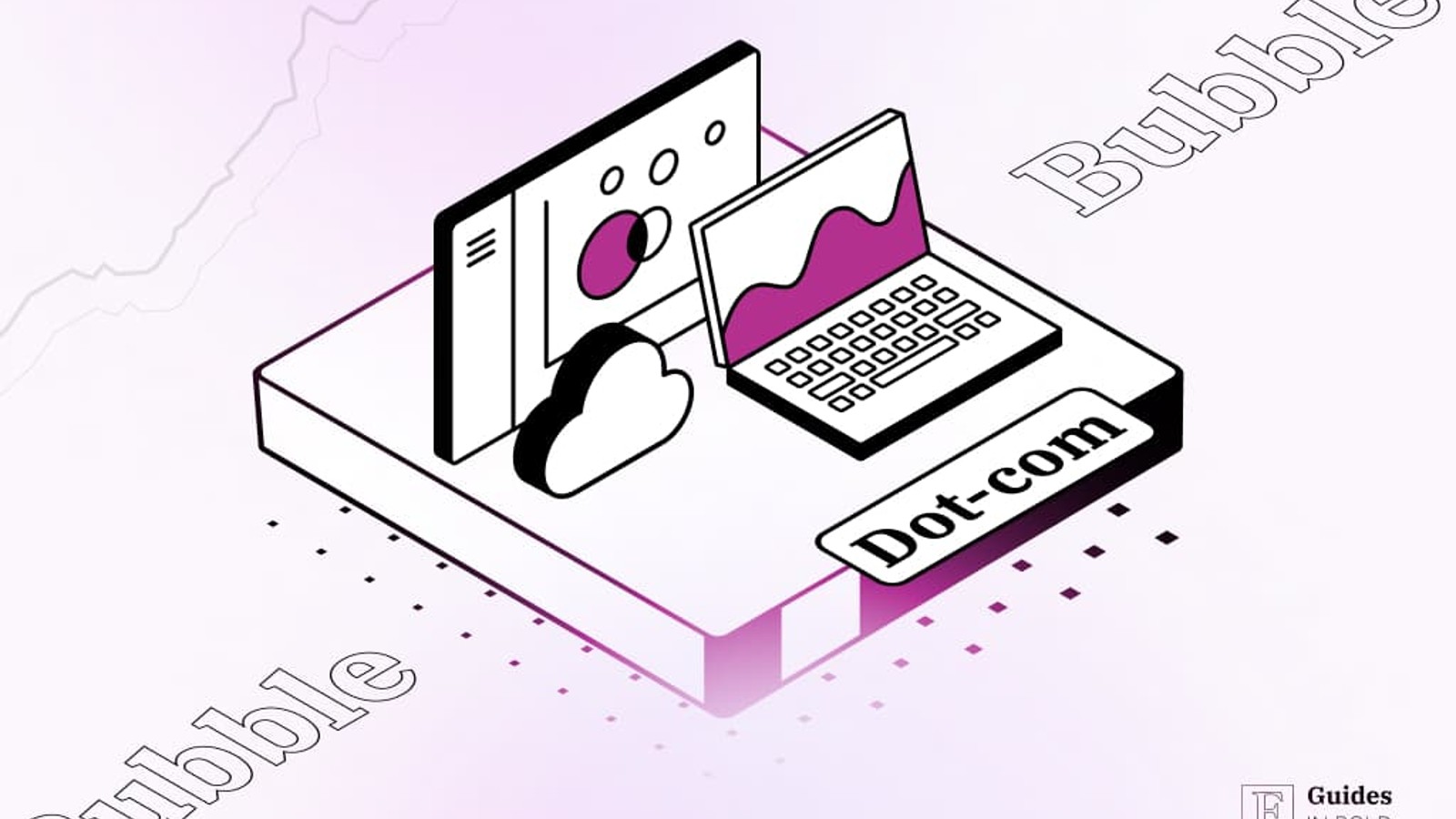
The rise of dot-com companies in the 1990s was a stock market bubble that developed during the late 1990s and peaked on March 10, 2000. Why did optimism about dot-com growth outrun business fundamentals? By the end, readers will understand how spending choices, company finances, and investor expectations shaped the gap between promise and profitability.
2 articles, 1 book
The reading path
- ReadDot-com bubble · Wikipedia
Dot-com companies often spent heavily on advertising and promotions, accepting operating losses to build market share or mind share quickly under the mottos "get big fast" and "get large or get lost." They also offered products or services free or at a discount, hoping future brand awareness would let them charge profitable rates; a new product or website could even prompt an expensive dot-com party. Burn rate is the rate at which a company spent its existing capital. A dot-com company's lifespan was measured by its burn rate, yet 48% of dot-com companies survived through 2004, albeit at lower valuations. The burst of the dot-com bubble triggered widespread stock sell-offs, and by 2002, estimated investor losses had reached $5 trillion.
- ReadDot-com Bubble Explained | Story of 1995-2000 Stock Market · Finbold
IPO is an initial public offering, when a company goes to market with shares. Some Internet companies with no revenue or profits, no proprietary technology, and, in many instances, no finished product saw their stock prices triple and quadruple in a day after IPOs. Investors were willing to overlook fundamental company analysis and base confidence on technological advancements, while expectations of future price appreciation drew in more investors and pushed prices higher.
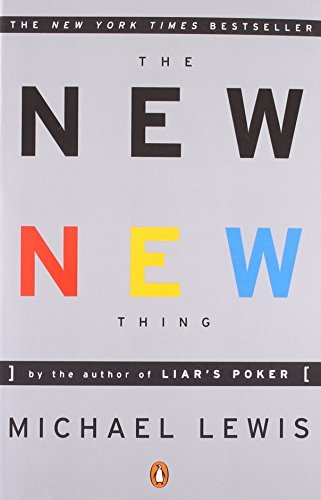
- BookThe New New Thing: A Silicon Valley Story · Bookshop.org
The New New Thing by Michael Lewis focuses on James H. Clark, founder of several Silicon Valley companies, and the entrepreneurial culture that dominated the area during the height of the Internet boom.

Book links are Bookshop.org affiliate links. Curiate may earn a commission on purchases, at no extra cost to you — Bookshop.org also gives a share to independent bookshops.
Reading paths, built to arrive somewhere
Curiate turns what you are curious about into a short path — a quick lesson on an article, something to watch, and a book to go deep on. Free to browse.