What shaped impressionism and its development
Impressionism is a style named after Claude Monet's Impression, Sunrise, which prompted critic Louis Leroy to coin the term in a satirical review in 1874. What shaped this style, and how can readers understand the forces that influenced its development? The lessons consider its artistic, social, and material contexts, building a broad understanding of how a new approach to art took shape.
3 articles, 1 book · about 49 min of reading and viewing
The reading path
- Readimpressionism · Wikipedia · 34 min read
New technology played a role in the development of impressionism: mid-century premixed paints in tin tubes allowed Impressionists to work more spontaneously, both outdoors and indoors. In impressionism's emergence, Emperor Napoleon III decreed that the public be allowed to judge the works rejected by the Salon in 1863, leading to the Salon des Refusés. Though many viewers came only to laugh, it drew attention to a new tendency in art and attracted more visitors than the regular Salon. Female Impressionists shared male Impressionists' interest in depicting visual experience and contemporary subjects, but faced greater social and career limitations. They were particularly excluded from imagery of the bourgeois social sphere of the boulevard, cafe, and dance hall.
- Read"Impressionism: Art and Modernity" · metmuseum.org · 5 min read
Impressionist Édouard Manet's 1874 Boating features an expanse of cerulean blue and synthetic ultramarine, pigments made available by nineteenth-century synthetic paints. Its radically cropped, Japanese-inspired composition depicts a fashionable boater and his companion, embodying modernity in their form, subject matter, and the materials used to paint them.
- ReadContemporary Impressionism in Photography · rehahnphotographer.com · 10 min read
Impressionism and photography intersected when the first exhibition of works by the innovative Impressionist painters was held at portrait photographer Felix Nadar's studio in 1874; Nadar's work also greatly influenced Réhahn's Precious Heritage series. Though critics mocked the new painting style, it soon found its permanent place in art history.
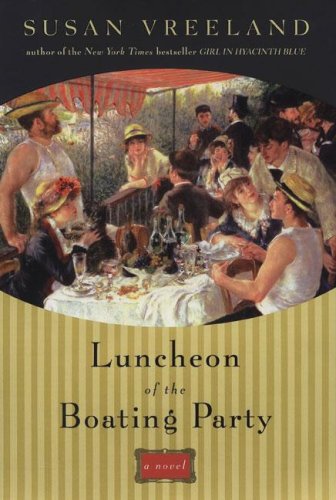
- BookLuncheon of the Boating Party · Bookshop.org
Luncheon of the Boating Party by Susan Vreeland describes Renoir's challenging project amid personal crises in art and love, questions of loyalty, and diverging styles within the Impressionist group. Narrated by Renoir and seven models in Paris and on the Seine, it describes the era's gusto, hedonism, and art.


Book links are Bookshop.org affiliate links. Curiate may earn a commission on purchases, at no extra cost to you — Bookshop.org also gives a share to independent bookshops.
Reading paths, built to arrive somewhere
Curiate turns what you are curious about into a short path — a quick lesson on an article, something to watch, and a book to go deep on. Free to browse.