Who benefits from cruise tourism destinations
Cruise tourism can benefit many people in a destination, but in some situations it can also harm its economy, culture, environment, and communities. The lessons answer who benefits from cruise tourism and help readers understand how its effects are shared. They consider the roles of local economies, communities, and the environment.
2 articles, 1 book · about 33 min of reading and viewing
The reading path
- Readthe impact of cruise tourism on destinations · Wikipedia · 31 min read
Mass tourism, including the cruise industry, tends to strain fragile island ecosystems and their natural resources. Some argue that its profitability overshadows environmental and social concerns, including wastewater and sewage dumping, anchor damage to seabeds and coral reefs, and smokestack emissions that pollute the air. Small islands often depend on tourism, which makes up anywhere from 40 percent to 75 percent of the GDP (Gross Domestic Product) for various islands, including Barbados, Aruba, and Anguilla. Mass tourism, including the cruise industry, tends to strain fragile island ecosystems and their natural resources. Most destination community members are also the ones most impacted by tourism, and their involvement in tourism planning is important. Some researchers argue that some negative impacts of tourism might be avoided and positive impacts maximized through community participation in the planning process.
- ReadWho Wants Cruises To Come to Town? - JSTOR Daily · JSTOR Daily · 2 min read
In Cartagena de Indias, Colombia, three quarters of 1,001 city residents surveyed agreed cruises attract investment and generate employment, although 72 percent also said only a small sector of residents benefit from the business. Brida, Riaño, and Zapata Aguirre asked 1,001 city residents what they thought of the cruise industry and divided respondents into four clusters. The first group, 155 residents, were cruise tourism opponents who saw the industry as causing crowding, traffic, and inflation without bringing jobs to the city.
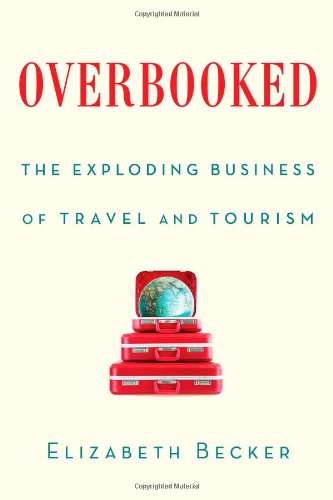
- BookOverbooked: The Exploding Business of Travel and Tourism · Bookshop.org
Overbooked by Elizabeth Becker travels to Venice, where community groups are fighting to stop tourism from pushing them out of their homes, and describes cruise waiters who earn $60 a month before interviewing their CEO.

Book links are Bookshop.org affiliate links. Curiate may earn a commission on purchases, at no extra cost to you — Bookshop.org also gives a share to independent bookshops.
Reading paths, built to arrive somewhere
Curiate turns what you are curious about into a short path — a quick lesson on an article, something to watch, and a book to go deep on. Free to browse.