Who benefits from ecotourism
Ecotourism is nature-oriented tourism intended to support conservation, generally with minimal impact and contributions to conservation and environmental education. The lessons answer who benefits when nature becomes tourism, and help readers understand how tourism's economic and social effects relate to conservation. They consider local participation, tourism standards, and the distribution of benefits.
3 articles, 1 video, 1 book · about 1 hr 19 min of reading and viewing
The reading path
- Read"Ecotourism vs Sustainable Tourism" · integrallc.com · 3 min read
The 23 Global Sustainable Tourism Criteria focus on best practices to sustain natural and cultural resources, maximize social and economic benefits for the local community, and minimize negative impacts to the environment. GSTC and its global members follow these criteria, and no internationally accredited body oversees standards, monitoring and assessment, or certification for the ecotourism or sustainable tourism industries.
- Read"Evaluating the Impact of Ecotourism: Economic Welfare and Community Well-being • BA Notes" · banotes.org · 10 min read
Ecotourism benefits may leak from local communities to external investors, tour operators, or urban centers when communities lack the capacity to provide services such as accommodation, transportation, or food and must rely on outside providers.
- Readecotourism · Wikipedia · 39 min read
At national parks in South Africa, 70% of the money made comes directly from tourism revenue. In many cases, money generated from tourism supports people living in the area. A tour guide training program in Costa Rica's Tortuguero National Park helped reduce negative environmental impacts by educating tourists and regulating their activity on beaches where endangered sea turtles nest. Tour guides can connect nature tourism to conservation by explaining how visitors' actions affect the environment and local communities, drawing on their trust and detailed local knowledge.
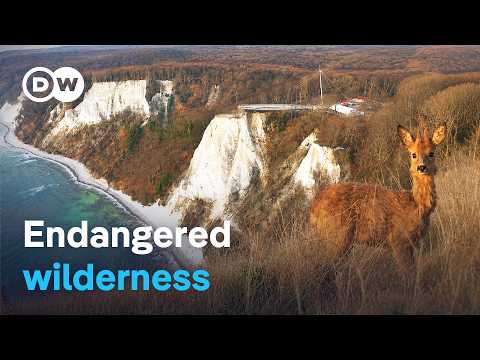
- WatchWild Rügen - Tourism vs. nature conservation | DW Documentary · YouTube · 27 min watch
Rangers in the Southeast Rügen Biosphere Reserve protect habitats, often meeting resistance from visitors. Tourism and nature conservation conflict on Rügen, with effects on animals, plants and local people.
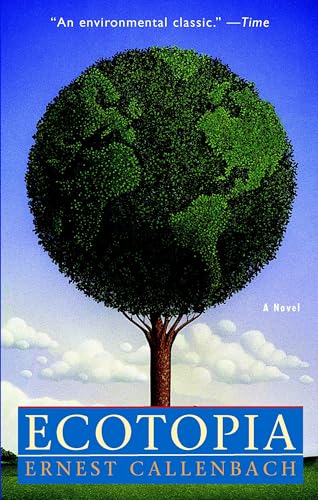
- BookEcotopia · Bookshop.org
Ecotopia by Ernest Callenbach presents William Weston's diary and reports as he investigates a newly formed country, describing decentralized and renewable energy production and green building construction. Callenbach describes a society organizing energy and buildings around environmental concerns.


Book links are Bookshop.org affiliate links. Curiate may earn a commission on purchases, at no extra cost to you — Bookshop.org also gives a share to independent bookshops.
Reading paths, built to arrive somewhere
Curiate turns what you are curious about into a short path — a quick lesson on an article, something to watch, and a book to go deep on. Free to browse.