Why meaningful connection matters for loneliness
Loneliness is the unpleasant emotional response to perceived or actual social isolation, a kind of social pain that motivates people to seek connection. The lessons answer why meaningful connection matters and help readers understand how loneliness and connection shape relationships. They consider emotional needs, barriers to connection, and the role of social interaction.
2 articles, 1 book · about 51 min of reading and viewing
The reading path
- Readloneliness · Wikipedia · 48 min read
Emotional loneliness results from the lack of deep, nurturing relationships with other people. People have a need for deep attachments, which can be fulfilled by close friends, though often more by close family members such as parents, and later in life by romantic partners. Long-term loneliness can cause maladaptive social cognition, such as hypervigilance and social awkwardness, making it harder to maintain relationships or establish new ones. Chronic loneliness can also push people into a self-protective mode, leading them to perceive the world as less safe, meaningful, and worth exploring. Social loneliness stems from lacking a wider social network. People experiencing it may not feel part of a community or have friends or allies to rely on in distress.
- ReadWhy Is Loneliness So Bad for Your Health? · Greater Good Magazine · 3 min read
Social activities such as volunteering or team sport can help reduce loneliness and social isolation's effects on biological processes important for health outcomes. For loneliness, face-to-face social interactions, which include non-verbal communication, often foster better connections. In a study comparing partners communicating face-to-face with people interacting via a computer, the face-to-face partners had more positive impressions.
- BookEleanor Oliphant Is Completely Fine · Bookshop.org
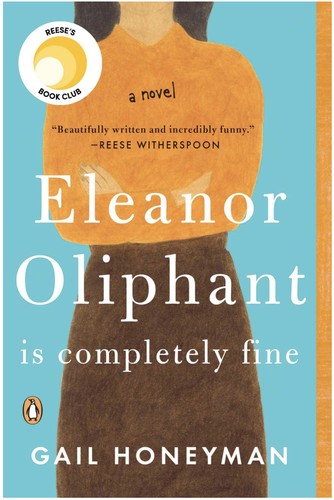
Eleanor Oliphant Is Completely Fine by Gail Honeyman describes Eleanor's life of avoiding unnecessary human contact and how she, Raymond, and Sammy rescue one another from isolation, with friendship and even love becoming possible.


Book links are Bookshop.org affiliate links. Curiate may earn a commission on purchases, at no extra cost to you — Bookshop.org also gives a share to independent bookshops.
Reading paths, built to arrive somewhere
Curiate turns what you are curious about into a short path — a quick lesson on an article, something to watch, and a book to go deep on. Free to browse.