How art criticism reflects its times
Art criticism is discussion or evaluation of visual art, usually in relation to beauty, and seeks a rational basis for appreciating it, though it may not transcend social and political circumstances. How do judgments about art reflect their times? The lessons consider how social, artistic, and political contexts shape criticism.
1 article, 1 video, 1 book · about 33 min of reading and viewing
The reading path
- Readart criticism · Wikipedia · 21 min read
The earliest use of the term art criticism was by the English painter Jonathan Richardson, in his 1719 An Essay on the Whole Art of Criticism. The term quickly caught on, especially as the English middle class began to be more discerning in their art acquisitions, as symbols of their flaunted social status. In 19th-century art criticism, French poet Charles Baudelaire's first published work was his art review Salon of 1845, which attracted immediate attention for its boldness. His critical opinions included championing Eugène Delacroix. Art criticism: New York Trotskyist Clement Greenberg, a longtime art critic for the Partisan Review and The Nation, was thought to have had most to do with promoting Abstract Expressionism. He became an early and literate proponent of the style.
- WatchWhat Is Good Art? : Crash Course Art History #6 · YouTube · 12 min watch
Culture, society, history and storytelling shape how we evaluate art and judge its value beyond its price.
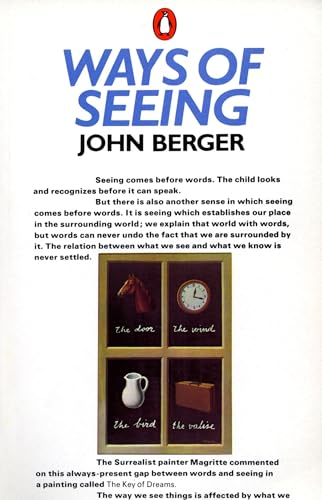
- BookWays of Seeing · Bookshop.org
Ways of Seeing by John Berger criticizes traditional Western cultural aesthetics by raising questions about hidden ideologies in visual images, and describes how art revealed the social and political systems in which it was made, including through the male gaze in European painting.


Book links are Bookshop.org affiliate links. Curiate may earn a commission on purchases, at no extra cost to you — Bookshop.org also gives a share to independent bookshops.
Reading paths, built to arrive somewhere
Curiate turns what you are curious about into a short path — a quick lesson on an article, something to watch, and a book to go deep on. Free to browse.