How cinematography techniques shape viewer feelings
Cinematography is the art of using motion picture and electronic video cameras to make images for science, business, entertainment, and mass communication. How does framing shape what viewers feel, and how can you understand the effects of what the camera includes or leaves out? The lessons consider how choices about the frame guide attention and emotion.
2 articles, 1 video, 1 book · about 59 min of reading and viewing
The reading path
- Readcinematography techniques · Wikipedia · 38 min read
In cinematography, camera distance can highlight details important to a film shot. A group of people may look the same from very far away, but zooming in lets viewers see differences in facial expression and body language. Aperture is the opening in a camera lens that lets light through. In Citizen Kane (1941), cinematographer Gregg Toland and director Orson Welles used tighter apertures to create sharp focus in every detail of the foreground and background sets, a practice known as deep focus. Widescreen formats gave cinematographers a wider frame in which to compose their images.
- ReadTension of the Frame: How Point of View Can Heighten Drama in Fiction and Film - Electric Literature · Electric Literature · 8 min read
A cinematography technique that heightens tension is to make viewers distrust the camera's frame, since dangers may lurk just beyond its borders. This makes viewers anxious about what they cannot see.
- WatchUltimate Guide to Camera Shots: Every Shot Size Explained [The Shot List, Ep 1] · YouTube · 13 min watch
Camera shot sizes shape how an audience perceives a moment. Filmmakers use these choices to speak in visual language with purpose.
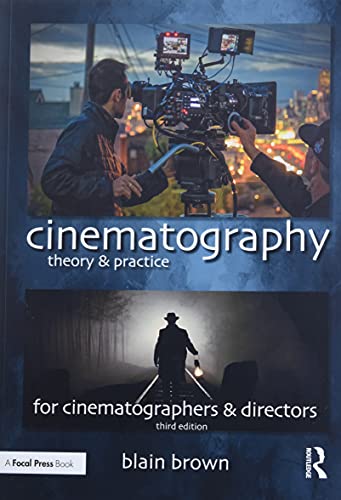
- BookCinematography: Theory and Practice · Bookshop.org
Cinematography by Blain Brown covers the artistry and craftsmanship of cinematography and visual storytelling, noting that some aspects of visual language, lighting and color are eternal while shooting methods, workflow and cameras have changed radically.


Book links are Bookshop.org affiliate links. Curiate may earn a commission on purchases, at no extra cost to you — Bookshop.org also gives a share to independent bookshops.
Reading paths, built to arrive somewhere
Curiate turns what you are curious about into a short path — a quick lesson on an article, something to watch, and a book to go deep on. Free to browse.