How quantum algorithms promise speedups
Quantum computing processes information using quantum states and phenomena such as superposition, interference, and entanglement, with the potential to make some calculations exponentially faster than classical computers. What kinds of speedups can quantum algorithms offer, and what limits their practical value? The lessons build an understanding of algorithmic promise alongside the challenges of realizing it.
3 articles, 1 video, 1 book · about 1 hr 36 min of reading and viewing
The reading path
- Readquantum computing · Wikipedia · 53 min read
About 2% of the annual global energy output is used for nitrogen fixation to produce ammonia for the Haber process in the agricultural fertilizer industry. Quantum simulations might be used to understand this process and increase energy efficiency. For quantum computing, unstructured search means finding a marked item in a list of n items. Grover's algorithm solves it with O (√n) database queries, quadratically fewer than the Ω (n) queries required for classical algorithms. Quantum computing hardware is overwhelmed by noise before completing any useful tasks, and some quantum algorithms require resources far beyond those available.
- ReadWhat Is the True Promise of Quantum Computing? | Quanta Magazine · Quanta Magazine · 31 min read
Quantum computing algorithms had in principle cracked the recommendation problem, but Ewin Tang designed classical algorithms that could match them. This approach, called "dequantizing," leads computer scientists to seek the same speeds with classical methods.
- Read"Quantum Supremacy Using a Programmable Superconducting Processor" · ai.googleblog.com · 5 min read
Quantum computing on Sycamore, a new 54-qubit processor with fast, high-fidelity quantum logic gates, completed the target computation in 200 seconds. Measurements from the experiment indicated that the world's fastest supercomputer would take 10,000 years to produce a similar output.
- WatchHow Does a Quantum Computer Work? · YouTube · 7 min watch
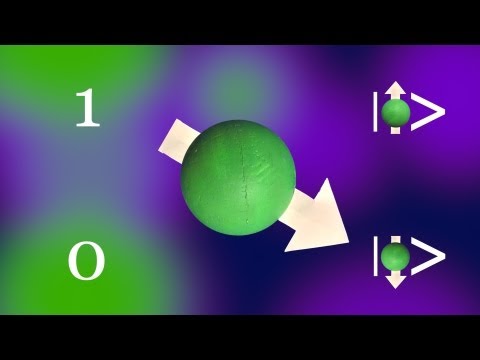
A qubit can exist in a superposition of zero and one. The information in N qubits scales as two to the power of N classical bits, which is how quantum computers differ from classical ones.
- BookQuantum Computing for Everyone · Bookshop.org
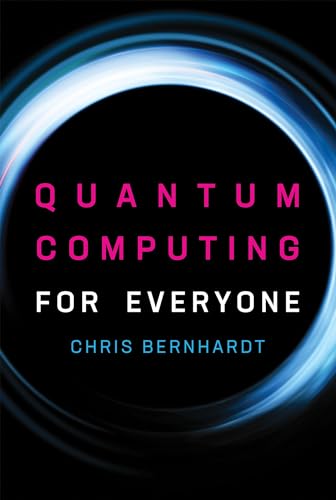
Quantum Computing for Everyone by Chris Bernhardt explains quantum computing using only high school mathematics, covering quantum teleportation, superdense coding, error correction and quantum algorithms.


Book links are Bookshop.org affiliate links. Curiate may earn a commission on purchases, at no extra cost to you — Bookshop.org also gives a share to independent bookshops.
Reading paths, built to arrive somewhere
Curiate turns what you are curious about into a short path — a quick lesson on an article, something to watch, and a book to go deep on. Free to browse.