How the sociology of race studies social relations
The sociology of race studies social, political, and economic relations between races and ethnicities at every level of society, including systemic racism and other complex processes between groups. The lessons answer how race and ethnic relations shape social experience and how these relations can be understood. They connect social construction, psychological effects, political and economic pressures, and historical change.
2 articles, 1 video, 1 book · about 32 min of reading and viewing
The reading path
- Readthe sociology of race · Wikipedia · 13 min read
In the sociology of race, race is a social construction that characterizes people based on physical traits such as skin color, facial features, and hair textures. Sociologists reject the notion that race is a biological fact and emphasize its construction through what society deems significant.
- ReadTeaching kids how battles about race from 150 years ago mirror today's conflicts · Hechinger Report · 12 min read
During Reconstruction, enslaved people were freed, former slaves and free blacks gained citizenship rights, and black men were granted the right to vote. African-Americans made huge strides in education, entrepreneurship and political power, and historians estimate that as many as 2,000 blacks were elected to local, state and federal offices.
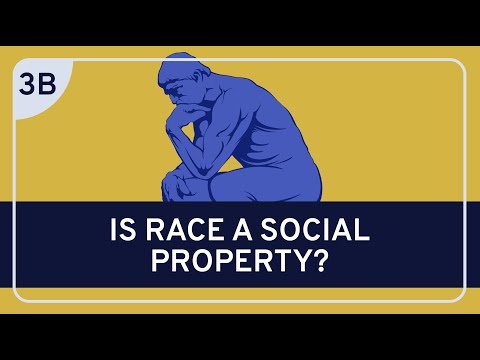
- WatchPHILOSOPHY - Race: Racial Ontology #3b (Sociohistorical Theories of Race) · YouTube · 7 min watch
David Miguel Gray of Colgate University introduces sociohistorical theories of race and the idea of socially constructed categories.
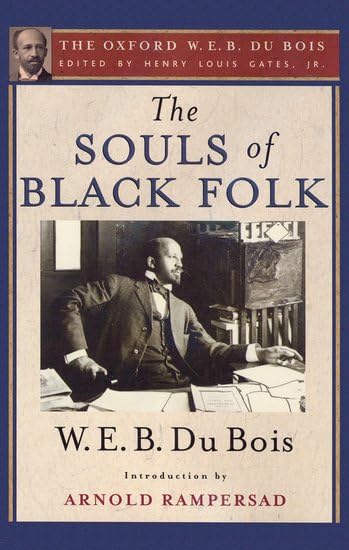
- BookThe Souls of Black Folk · Bookshop.org
The Souls of Black Folk by W.E.B. Du Bois includes "Of the Dawn of Freedom," where Du Bois describes the Freedmen's Bureau's attempt to address race and social conditions and argues that Black voting was necessary to secure the South's acceptance of the war's results.


Book links are Bookshop.org affiliate links. Curiate may earn a commission on purchases, at no extra cost to you — Bookshop.org also gives a share to independent bookshops.
Reading paths, built to arrive somewhere
Curiate turns what you are curious about into a short path — a quick lesson on an article, something to watch, and a book to go deep on. Free to browse.