Lessons on understanding cultures on their own terms
Cultural anthropology studies how cultures vary among humans, using methods such as participant observation, interviews, and surveys. These lessons answer how to understand cultures on their own terms, while considering how comparison, research across locations, and differences in cultural categories shape that understanding.
2 articles, 1 video, 1 book
The reading path
- Readcultural anthropology · Wikipedia · 35 min read
Participant observation is one of the principal research methods of cultural anthropology. It assumes that interacting closely with a group over a long period helps anthropologists understand its culture from an insider's perspective and describe its cultural context. David Schneider, Clifford Geertz, and Marshall Sahlins developed a concept of culture as a web of meaning or signification that proved popular within and beyond anthropology. Clifford Geertz said, "Believing, with Max Weber, that man is an animal suspended in webs of significance he himself has spun, I take culture to be those webs."
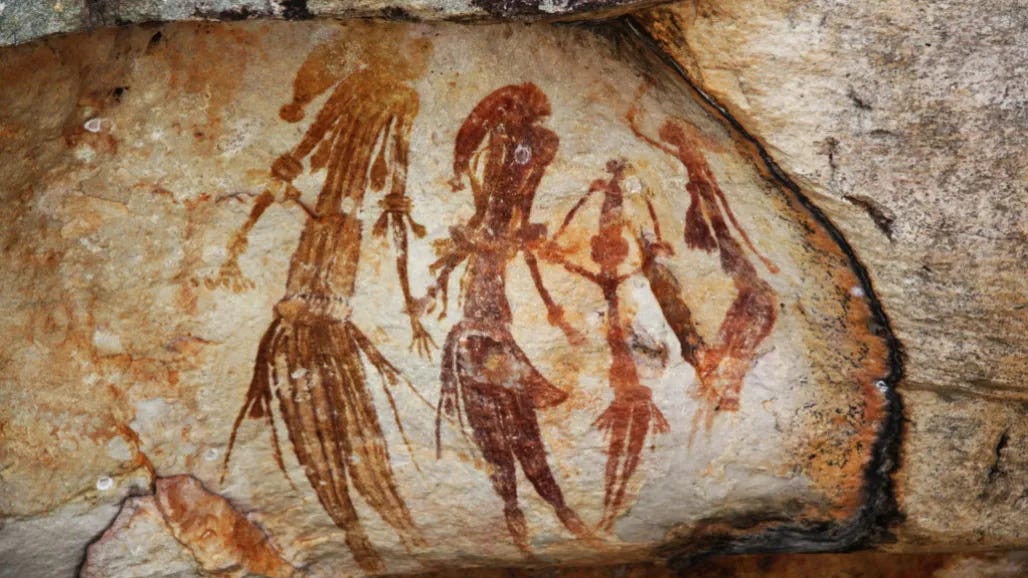
- ReadBook Review: Arguments About Aborigines · Astral Codex Ten (Substack)
Cultural anthropology faces the problem that categories from different cultures may not map neatly: Aboriginal hierarchies may match the Western idea of a "chief" in some ways but not others. Some Aboriginal tribes may have chiefs and others may not, and Western contact may have changed Aboriginal social organization.
- WatchWestern Culture - Kwame Anthony Appiah (2016) · YouTube · 55 min watch
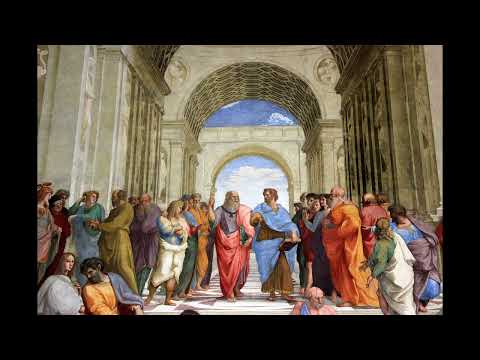
Kwame Anthony Appiah, a philosopher and cultural theorist, traces the history of the idea of "Western culture" from its roots at the time of the Crusades to its modern incarnation in the second half of the 20th century. In this 2016 lecture, he argues that no one can claim exclusive ownership of culture.
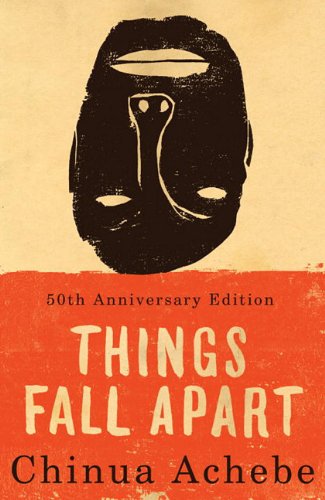
- BookThings Fall Apart · Bookshop.org
Things Fall Apart by Chinua Achebe describes a strong man dominated by fear and anger, and presents a story that is uniquely and richly African while revealing human qualities common across times and places.
Book links are Bookshop.org affiliate links. Curiate may earn a commission on purchases, at no extra cost to you — Bookshop.org also gives a share to independent bookshops.
Reading paths, built to arrive somewhere
Curiate turns what you are curious about into a short path — a quick lesson on an article, something to watch, and a book to go deep on. Free to browse.