Public education in the United States and racial inequality
The development of public education in the United States is the history of public schooling, which for much of its history was segregated or only available based upon race. During Reconstruction, a coalition of freedmen and white Republicans in Southern state legislatures passed laws establishing public education.
2 articles, 1 video, 1 book · about 2 hr of reading and viewing
The reading path
- Readthe development of public education in the united states · Wikipedia · 60+ min read
In the development of public education in the United States, Plessy v. Ferguson (1896) upheld racial segregation in schools as long as each race enjoyed parity in quality of education under the "separate but equal" principle. Few black students received equal education. Republican governments during the Reconstruction era rebuilt the South's public school systems, establishing the first such schools in some places and supporting them with general taxes. For the first time, both whites and blacks would be educated at the expense of the state, but legislators agreed on racially segregated schools.
- ReadPublic education is the great perpetuator - Kappan Online · Kappan · 7 min read
Public education has not been equalizing, and this Kappan Online article argues that a system built to support economic structures will continue to perpetuate inequalities. The article says this emphasis shifts discussion toward strategies to improve test scores and ranked lists.
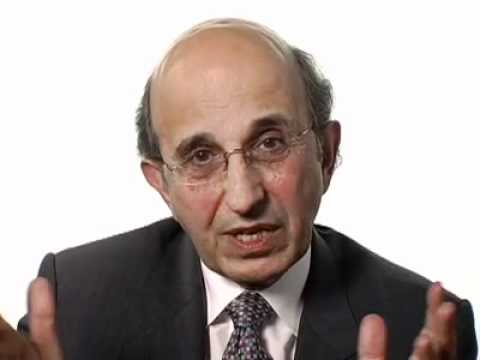
- WatchCharter Schools and the Future of Public Education | Big Think · YouTube · 6 min watch
The video is titled "Charter Schools and the Future of Public Education."
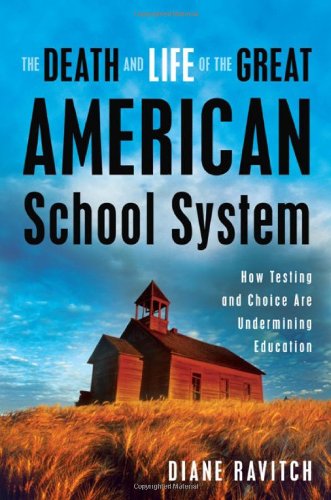
- BookThe Death and Life of the Great American School System: How Testing and Choice Are Undermining Education · Bookshop.org
The Death and Life of the Great American School System by Diane Ravitch describes how the "educational establishment" promoted school choice, standardized testing and accountability; Ravitch argues these policies were "degrading the intellectual capacity of students."

Book links are Bookshop.org affiliate links. Curiate may earn a commission on purchases, at no extra cost to you — Bookshop.org also gives a share to independent bookshops.
Reading paths, built to arrive somewhere
Curiate turns what you are curious about into a short path — a quick lesson on an article, something to watch, and a book to go deep on. Free to browse.