Curiate

Food as trade, technology and place

What we eat depends on who controls the supply, where cities get their food, and the tools used to cook it. These curations look at how sugar built fortunes and slavery, how cities depend on food brought in from far away, and how kitchen technology changed what we eat.

How kitchen tools changed what we eat

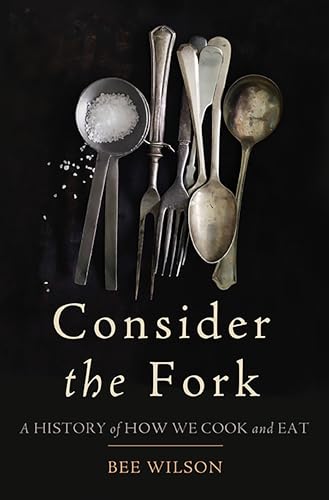
Consider the Fork is Bee Wilson's witty account of how cooking changed around the world, revealing the history of everyday kitchen objects. The lessons answer how tools used for eating helped shape what people ate and how they ate it. They trace changing ideas about table manners and the place of utensils in everyday meals.

by Curiate·how kitchen tools and cooking technology changed what we eat
How sugar shaped slavery and capitalist power

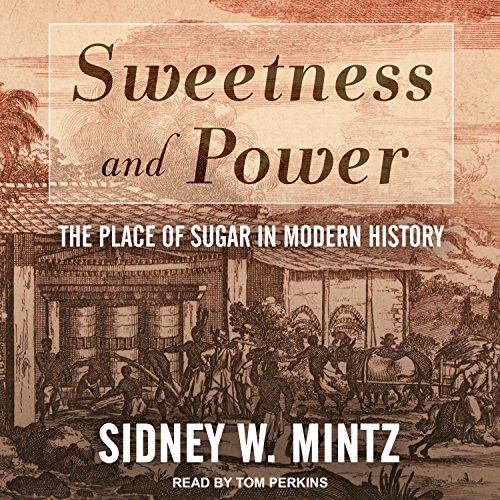
How sugar became a modern commodity and a question of power concerns the political economy of food commodities, studied by American anthropologist Sidney Wilfred Mintz, born in 1922, through historical and ethnographic studies. The lessons ask how sugar connects slavery and capitalist power. They trace the relationship between plantation systems, labor, and wider economic change.

by Curiate·how sugar became a modern commodity and a question of power in Sweetness and Power

How cities depend on imported food

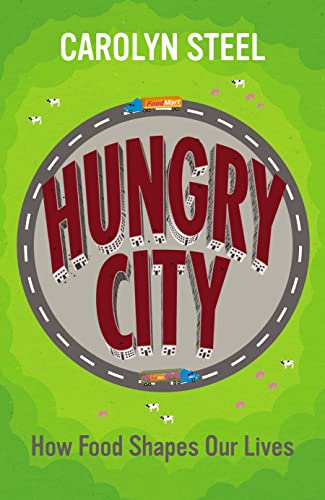
Food security means ensuring the world's food supply, a concern because shortages can cause social and political problems. What makes cities depend on food brought from elsewhere, and how does that dependence connect urban diets to distant production? The lessons trace these connections through transport, trade and the inputs used to produce food.

by Curiate·how cities depend on the food they import

Reading paths, built to arrive somewhere

Curiate turns what you are curious about into a short path — a quick lesson on an article, something to watch, and a book to go deep on. Free to browse.

Explore CuriateHow it works