Harry Potter's Hidden World: School, Prejudice, and a Legendary Stone
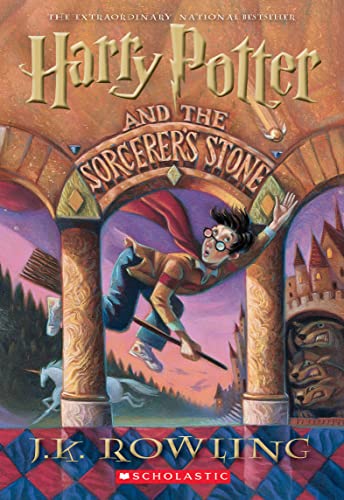
At Gringotts, Harry finds a seemingly endless pile of gold in his vault. What places, rules, and conflicts shape the wizarding world he enters?
by Curiate·Philosopher's stone
Harry Potter's hidden wizarding society, the seven faerie courts of Prythian, Tolkien's Middle-earth, Sanderson's ash-covered empire, Martin's Wall of ice and Le Guin's islands of true names. Each path explains what makes the world special, from its places and rules to what the author was doing with it, and ends with the first book.
At Gringotts, Harry finds a seemingly endless pile of gold in his vault. What places, rules, and conflicts shape the wizarding world he enters?
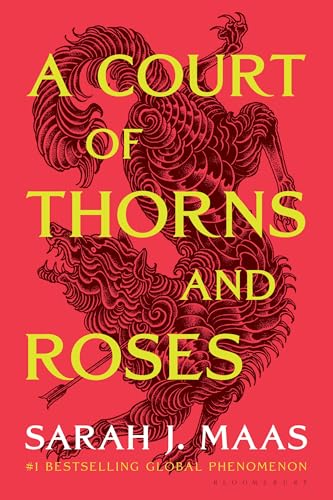
Before the Wall, faeries often harassed and even killed humans. What happens when a human hunter crosses into a faerie continent divided among seven courts?
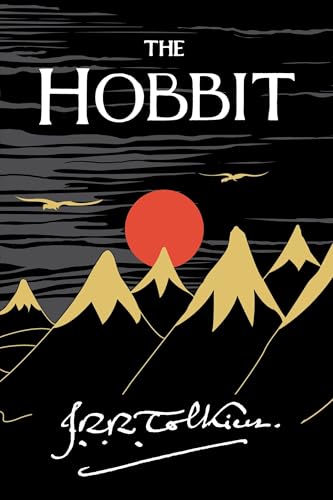
The Hobbit began with Tolkien scrawling the sentence, "In a hole in the ground there lived a hobbit." What kind of adventure does this book hold, and how do its maps, peoples and older mythology make Middle-earth feel like a world with a past?
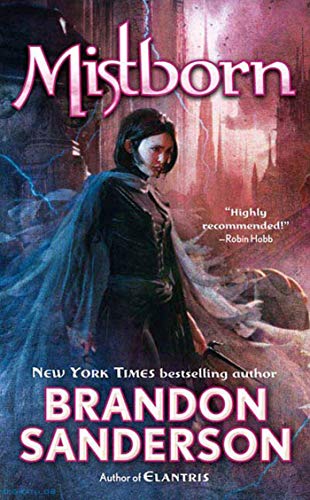
Ash falls constantly across Scadrial, where plants are brown and supernatural mists cloak the landscape every night. How did a defeated world become an empire, and what do its metal-based powers make possible?
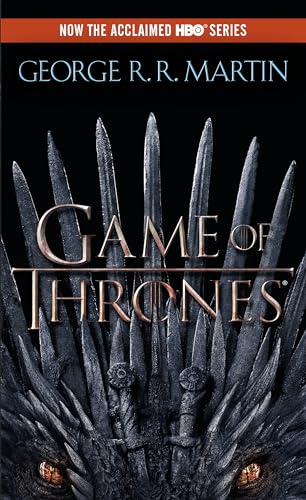
At the northern edge of Martin's world stands a wall of ice almost seven hundred feet high, guarded by a brotherhood of outcasts. Who are they, and what is it holding back?
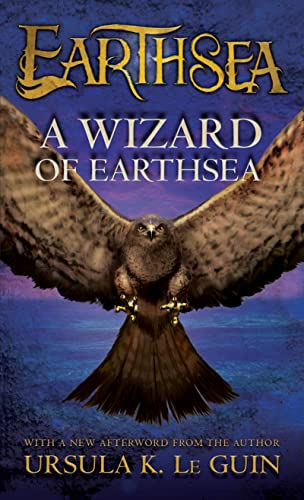
In Ursula K. Le Guin's Earthsea, knowing the true name of a thing gives you power over it. What else makes this world of islands, first published in 1968, unlike the fantasy that came before it?
Curiate turns what you are curious about into a short path — a quick lesson on an article, something to watch, and a book to go deep on. Free to browse.