Curiate

Fantasy worlds and what they borrowed

Harry Potter's philosopher's stone, the fae of A Court of Thorns and Roses, Tolkien's dragon, Sanderson's ash-covered empire, Martin's Wall and Le Guin's balance were built from real alchemy, folklore, old poems, a Roman frontier, Taoism and the craft of worldbuilding. These curations trace what each world borrowed and where it came from.

The philosopher's stone was said to revive dead plants

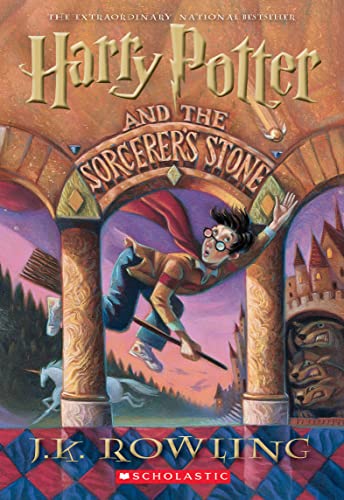
The philosopher's stone was said to revive dead plants, make lamps burn perpetually, and turn common crystals into precious stones and diamonds. What other transformations and powers did alchemists attribute to it? The philosopher's stone is a mythic alchemical substance believed capable of turning base metals into gold or silver. In Harry Potter and the Sorcerer's Stone by J.K. Rowling, a three-headed dog guards the Stone, which grants its user immortality.

by Curiate·Philosopher's stone
A Welsh fairy made a preacher flee his county

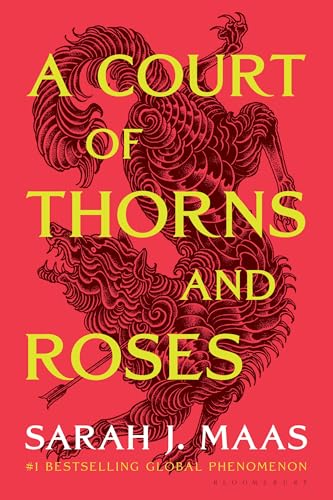
Fairy folklore credited Stone Age flint arrowheads to fairies as "elfshot," while explaining their green clothes and underground homes as camouflage and shelter from hostile humans. What kinds of beings were fairies in the folklore of European cultures? A Court of Thorns and Roses by Sarah J. Maas brings a 19-year-old woman into the faerie lands of Prythian and its faerie courts.

by Curiate·Fairy

Tolkien borrowed a dragon from Beowulf

Tolkien's 2014 prose translation of Beowulf includes his retelling Sellic Spell, but not his incomplete, unpublished verse translation. What do the poem's monsters and digressions reveal, and how did Tolkien's reading differ from Toni Morrison's? Beowulf is a story set in pagan Scandinavia in the 5th and 6th centuries. The Hobbit by J.R.R. Tolkien sends Bilbo Baggins across Middle-earth to reclaim a dwarf treasure from the dragon Smaug.

by Curiate·Beowulf

Worldbuilding can bend reality to serve the story

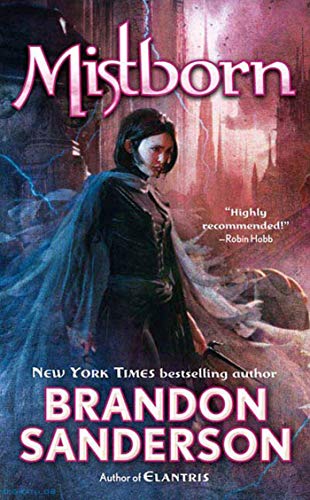
Every invented world must decide how far it rests on real-world physics and how far on magic. How can an imaginary world's internal logic make a story feel coherent without every detail obeying reality? Worldbuilding is the process of constructing an imaginary world or setting. Mistborn: The Final Empire by Brandon Sanderson builds a world where ash falls from the sky and Allomancers gain powers by "burning" swallowed metals.

by Curiate·Worldbuilding

Hadrian's Wall turned up beneath a Newcastle street

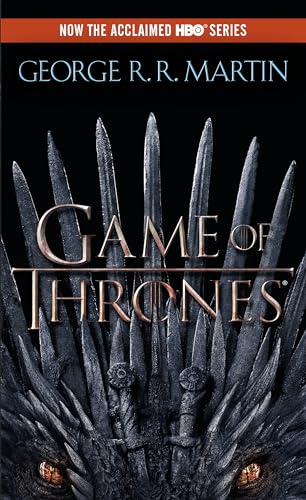
George R.R. Martin first saw Hadrian's Wall in 1981, and says it inspired the Wall in A Song of Ice and Fire: "Hadrian's Wall is the reality. My Wall is the fantasy." The real wall, begun in AD 122 in the reign of the Emperor Hadrian, was a defensive fortification of the Roman province of Britannia. How has this frontier been reused, preserved and remembered across centuries?

by Curiate·Hadrian's Wall

Taoist longevity practices included avoiding grains

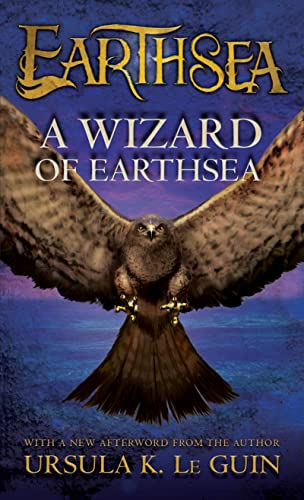
Taoist longevity practices included avoiding grains, and sometimes vegetarianism and true fasting. Taoism is a philosophical and religious tradition indigenous to China that emphasizes harmony with the Tao. In A Wizard of Earthsea by Ursula K. Le Guin, wizards are supposed to maintain a fundamental balance in the universe, a Taoist theme.

by Curiate·Taoism

Reading paths, built to arrive somewhere

Curiate turns what you are curious about into a short path — a quick lesson on an article, something to watch, and a book to go deep on. Free to browse.

Explore CuriateHow it works