Curiate

Women's rights and the vote

The suffrage movement in the United States sought women's right to vote, and it gathered strength from the 1840s. These curations cover that fight, how the labor movement built workers' power through strikes and protests in the early 20th century, and how marriage limited women's freedom in the Victorian era.

The U.S. suffrage movement and women's right to vote

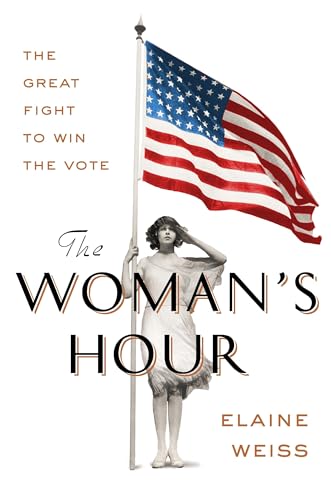
The suffrage movement in the United States sought women's right to vote, a demand that began gathering strength in the 1840s from the broader movement for women's rights. Women's suffrage was established first in various states and localities, then nationally in 1920 with ratification of the 19th Amendment to the United States Constitution.

by Curiate·the suffrage movement in the united states
Workers' power in the labor movement in the early 20th century

The early twentieth century labor movement saw both major American parties vie for union votes, with the Democratic Party usually much more successful. The lessons explore how workers built power through strikes and protests, and how workplace conditions shaped their ability to act.

by Curiate·the labor movement in the early 20th century

How marriage constrained women's freedom in the Victorian era

In the Victorian era, women had limited rights, including the inability to vote or sue, and married women had limited property ownership, while more women entered paid work after the Industrial Revolution. What shaped women's freedom within marriage and other constraints, and how can we understand their lives through that tension? The lessons consider how social expectations and economic limits shaped women's choices.

by Curiate·the lives of women in the victorian era

Reading paths, built to arrive somewhere

Curiate turns what you are curious about into a short path — a quick lesson on an article, something to watch, and a book to go deep on. Free to browse.

Explore CuriateHow it works