Curiate

What keeps teams and companies working

Companies succeed or stall on everyday things: the culture that workplace interactions build, the trust that holds remote teams together, the way a team chooses to communicate, and leaders who miss the next big change. Each curation takes one of these problems and shows where it goes wrong.

How to choose business communication methods

Business communication is sharing information internally between employees or externally between businesses or with consumers to help a business achieve a fundamental goal. What is the right way to communicate in different business situations, and how can you choose it? The lessons consider how communication choices shape the clarity, direction, and effectiveness of business exchanges.

by Curiate·business communication

How everyday interactions shape workplace culture

Workplace culture is the shared norms, values, and behaviors in an organization that reflect its core values and strategic direction. What can everyday interactions help you understand about how culture takes shape and how people behave at work? The lessons connect interactions with the patterns and standards that shape working life.

by Curiate·workplace culture

How public relations earns media coverage

Public relations is managing and sharing information from a person or organization with the public to influence how they see it, and most textbooks regard the Publicity Bureau's establishment in Boston in 1900 as marking the founding of the profession. The lessons answer how publicity earns media coverage and help readers understand the choices and relationships involved.

by Curiate·public relations

How to build trust in remote team management

Remote team management concerns groups or teams that work together asynchronously or across organizational levels; Powell, Piccoli and Ives (2004) define virtual teams as "groups of geographically, organizationally and/or time dispersed workers brought together by information and telecommunication technologies to accomplish one or more organizational tasks."

by Curiate·remote team management

Why leaders miss disruptive technology

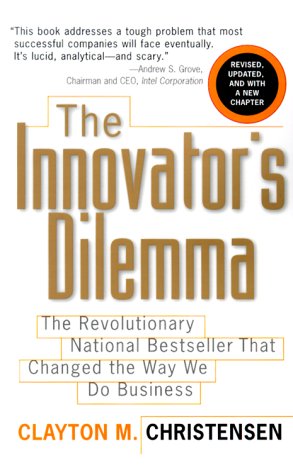
Disruptive technology creates a new market or enters at the bottom of an existing one, eventually displacing established firms, products, and alliances, and Clayton Christensen and his collaborators popularized the term disruptive innovation beginning in 1995. The lessons answer why leaders miss disruptive markets and help readers understand why established firms may struggle to pursue them.

by Curiate·disruptive technology

Reading paths, built to arrive somewhere

Curiate turns what you are curious about into a short path — a quick lesson on an article, something to watch, and a book to go deep on. Free to browse.

Explore CuriateHow it works