Curiate

History curations — page 5

What happened, why it mattered, and how historians know. Quick lessons on events, people and turning points, each linked to the sources that tell the fuller story.

Collections in History

The impact of colonialism and its lasting consequences

The impact of colonialism is its persistent effect on a wide range of modern outcomes; variations in colonial institutions can account for variations in economic development, regime types, and state capacity. How did colonial power shape living standards, societies, and institutions? By the end, readers will understand how extraction, disease, and colonial institutions contributed to varied and lasting consequences.

by Curiate·the impact of colonialism
The Dust Bowl migration and the search for aid and work

The Dust Bowl migration was the movement of Americans made homeless by the Dust Bowl. How did drought make farming harder, prompt families to move west, and shape their search for aid and a place to settle? The lessons show how environmental damage and relief efforts shaped migration and the challenges families faced in building new lives.

by Curiate·the dust bowl migration

Russian nihilism and its revolt against inherited values

The Russian nihilist movement was a philosophical, cultural, and revolutionary movement in the Russian Empire during the late 19th and early 20th centuries, from which the broader philosophy of nihilism originated. How did rejecting inherited values reshape radical thought? By the end, readers will understand how social origins, cultural alienation, and competing ideas about change shaped the movement.

by Curiate·the rise of nihilism in 19th century russia

The Cold War and its competing systems

The history of the Cold War is the history of international geopolitical rivalry between the United States and the Soviet Union and their respective allies, the capitalist Western Bloc and communist Eastern Bloc. How did competing systems, international influence, and changing policies shape this rivalry? By the end, readers will understand how ideological differences and political choices shaped Cold War relations over time.

by Curiate·the history of the cold war

World War II and fascism's drive to war

The history of World War II concerns a global conflict between the Allies and the Axis powers from 1 September 1939 to 2 September 1945. How did fascist ambitions and policies drive the war? Readers will understand how authoritarian goals, aggression, and the weakening of democratic opposition shaped the path to conflict.

by Curiate·the history of world war ii

The history and culture of nomadic tribes

The history and culture of nomadic tribes concerns communities without fixed homes who move regularly between areas, adapting their way of life to places where resources are scarce. What can the history of steppe pastoralists help us understand about the spread of languages? The lessons consider how mobility, pastoral life, and connections with other communities shaped language across Eurasia.

by Curiate·the history and culture of nomadic tribes

Watergate and presidential power under scrutiny

The Watergate scandal, also simply called Watergate, was a political scandal in the United States involving the administration of President Richard Nixon. How did investigations and disputes over presidential authority unfold during the scandal? By the end, readers will understand how evidence and government actions shaped accountability and the limits of presidential power.

by Curiate·Watergate scandal

How marriage constrained women's freedom in the Victorian era

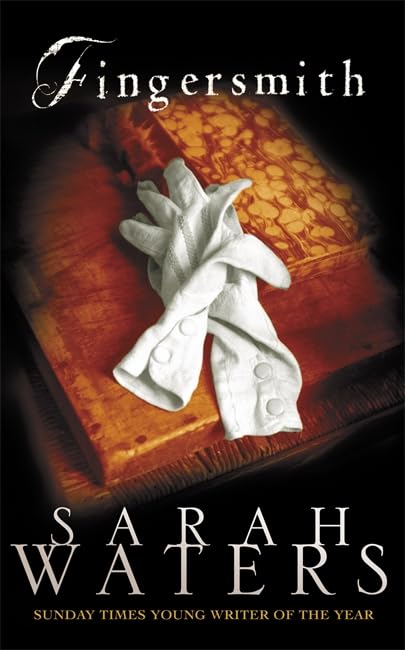
In the Victorian era, women had limited rights, including the inability to vote or sue, and married women had limited property ownership, while more women entered paid work after the Industrial Revolution. What shaped women's freedom within marriage and other constraints, and how can we understand their lives through that tension? The lessons consider how social expectations and economic limits shaped women's choices.

by Curiate·the lives of women in the victorian era

How the history of theater began

Ancient Greek Theatre is a form of theatre that began over 2,500 years ago, originating in the dithyrambo, a drunken dance-chant fertility ritual honoring Dionysus, the Greek god of wine and the harvest.

by Curiate·the history of theater

Reading paths, built to arrive somewhere

Curiate turns what you are curious about into a short path — a quick lesson on an article, something to watch, and a book to go deep on. Free to browse.

Explore CuriateHow it works