Curiate

History curations — page 4

What happened, why it mattered, and how historians know. Quick lessons on events, people and turning points, each linked to the sources that tell the fuller story.

Collections in History

The Vietnam War through Vietnamese perspectives

The Vietnam War was an armed conflict in Vietnam, Laos, and Cambodia, fought from around 1955 between North Vietnam and South Vietnam and their allies. What can Vietnamese perspectives reveal about how the war is remembered and understood? The lessons consider whose experiences shape that memory and how competing accounts frame the conflict.

by Curiate·the vietnam war
World War I trench warfare and its human cost

The history of World War I is the account of a global conflict between the Allies (or Entente) and the Central Powers, fought from 28 July 1914 to 11 November 1918. How did trench warfare and its methods exact a human cost? By the end, readers will understand how entrenched positions, military technology, disease, and repeated assaults made the conflict a war of attrition.

by Curiate·the history of world war i

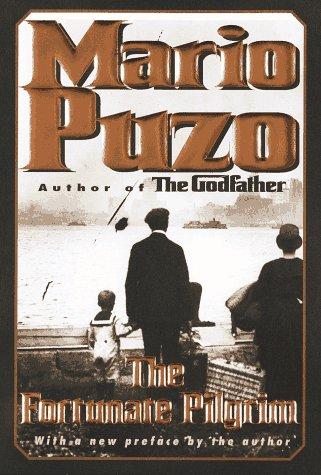
Italian immigrants in New York and becoming Italian American

The experience of Italian immigrants in New York concerns Italian Americans, who are concentrated in the urban Northeast. How did regional newcomers come to be seen as part of American life? By the end, readers will understand how migration, labor, prejudice, and shared identity shaped that transition.

by Curiate·the experience of italian immigrants in new york

Japanese American incarceration and its lasting effects on families

The internment of Japanese Americans during World War II was intended to mitigate a security risk Japanese Americans were believed to pose; military authorities justified exclusion by claiming that an "unascertained number" of potentially disloyal Japanese Americans remained on the West Coast.

by Curiate·the internment of japanese americans during world war ii

How artists shape feeling in the French Revolution

The artist's role in the French Revolution concerns Romanticism, which began alongside the Revolution and grew in reaction to the social transformation it caused. What can readers understand about how art and literature shaped revolutionary feeling? The lessons consider how creative work engaged with revolutionary ideas and public life.

by Curiate·the role of the artist in the french revolution

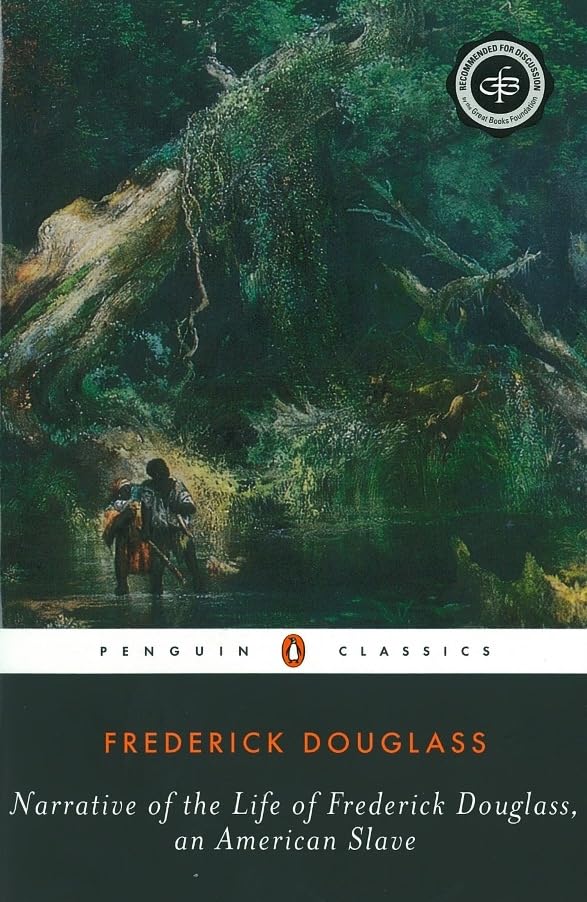
Black voices in the ethical debates of the abolitionist movement

The ethical debates of the abolitionist movement concerned opposition to slavery on humanitarian grounds and political motivations for its removal.

by Curiate·the ethical debates of the abolitionist movement

The Civil Rights Movement and everyday lives

The civil rights movement in the southern United States was a social movement from 1954 to 1968 that aimed to abolish legalized racial segregation, discrimination, and disenfranchisement, most commonly affecting African Americans. How did ordinary people sustain protest and face its costs? By the end, readers will understand how collective action, threats, economic pressure, and family life shaped the movement.

by Curiate·the civil rights movement in the southern united states

The history of slavery, resistance, and freedom

The history of slavery spans many cultures, tribes, nationalities, and religions from ancient periods to the present day, and the social, economic, and legal positions of slaves have differed vastly across systems, times, and places. How did enslaved people resist, and how did freedom change their lives? The lessons show how resistance took many forms and how emancipation unfolded differently across societies.

by Curiate·the history of slavery

Greek mythology and heroic worlds

Greek mythology consists of stories about the world's origin and nature, deities, heroes, and ancient Greek cult and ritual practices. These lessons answer how epic myths shaped heroic worlds, helping readers understand how heroic stories were connected and ordered. They follow the themes of epic storytelling, heroic identity, and the ways myths shaped a hero's world.

by Curiate·greek mythology

Immigrant inspection and detention at Ellis Island

Ellis Island is an island in New York Harbor, within the U.S. states of New Jersey and New York, and was the busiest immigrant inspection and processing station in the United States. What did immigrants encounter during inspection, and how did the station's role change? The lessons explain how medical screening, processing, and detention shaped immigrants' experiences there.

by Curiate·the life of immigrants in ellis island

A 19th-century naturalist's journeys, collections, and research

The life of a 19th century naturalist concerns a person who studies natural history, the observational study of organisms in their natural environment. How did travel, collecting, shared records, and local assistance shape naturalists' work? The lessons show how natural history developed through exploration, collaboration, collections, and research.

by Curiate·the life of a 19th century naturalist

The U.S. suffrage movement and the fight for the vote

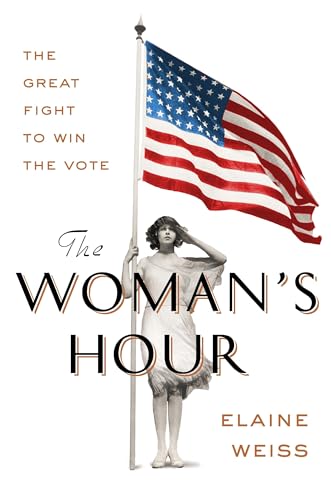
The suffrage movement in the United States sought women's right to vote, a demand that gained strength in the 1840s as part of the broader movement for women's rights, and was established nationally in 1920. What shaped the long fight for women's voting rights, and how did organizing and strategic disagreements influence its course? The lessons trace efforts to build support and secure political change.

by Curiate·the suffrage movement in the united states

The human aftermath of the atomic bomb on Hiroshima

The atomic bomb's impact on Hiroshima began on 6 August, when a bomb was dropped on the city, and its effects killed 90,000 to 166,000 people over the next two to four months. This path follows survivors' accounts of injury and loss, and explores how radiation could affect health, how some survivors faced discrimination, and how Hiroshima rebuilt.

by Curiate·the impact of the atomic bomb on hiroshima

How occupation reshaped postwar Japan

The aftermath of World War II in Japan was a period of foreign occupation and administration by the Allies, beginning with Japan's surrender on September 2, 1945, and ending when the Treaty of San Francisco took effect on April 28, 1952; it was the only time in Japan's history that the country was occupied by a foreign power.

by Curiate·the aftermath of world war ii in japan

Youth activism and the effects of the Chicano Movement in Los Angeles

The effects of the Chicano Movement in Los Angeles include the decline of the movement by the mid-1970s, after political demonstrations such as the Chicano Moratorium became sites of police brutality.

by Curiate·the effects of the chicano movement in los angeles

How Confucian learning shaped civil service in ancient China

The imperial examination was a system for selecting candidates for government service in imperial China, where written exams were first earnestly used under the Sui dynasty. How did Confucian learning shape civil service, and what can its evolution help us understand about selecting officials? The lessons trace the changing relationship between learning and access to government service, including its later development after 1912.

by Curiate·the evolution of civil service in ancient china

How sports history shaped training and teamwork

Sports history is the study of the history of sport, which extends back to the Ancient world in 7000 BC. These lessons answer how sport has served as training and teamwork across different societies. They trace how physical practice and shared effort have supported individuals and communities.

by Curiate·sports history

Workers' power in the labor movement in the early 20th century

The early twentieth century labor movement saw both major American parties vie for union votes, with the Democratic Party usually much more successful. The lessons explore how workers built power through strikes and protests, and how workplace conditions shaped their ability to act.

by Curiate·the labor movement in the early 20th century

History of mathematics and changing ways of thought

The history of mathematics deals with the origin of discoveries in mathematics and the mathematical methods and notation of the past. How have mathematical ideas met practical needs and changed how people represent and imagine the world? By the end, readers will understand how mathematical tools and concepts can shape both everyday systems and broader ideas about reality and the mind.

by Curiate·the history of mathematics

The printing press before Gutenberg and beyond Europe

The history of the printing press traces printing from early methods such as cylinder seals used by the Proto-Elamite and Sumerian civilizations in the 4th millennium BCE to woodblock printing for texts on paper, which originated in Tang China by the 7th century. Late medieval German inventor Johannes Gutenberg created the first printing press based on previously known mechanical presses and a process for mass-producing metal type.

by Curiate·the history of the printing press

Reading paths, built to arrive somewhere

Curiate turns what you are curious about into a short path — a quick lesson on an article, something to watch, and a book to go deep on. Free to browse.

Explore CuriateHow it works