Curiate

History curations — page 3

What happened, why it mattered, and how historians know. Quick lessons on events, people and turning points, each linked to the sources that tell the fuller story.

Collections in History

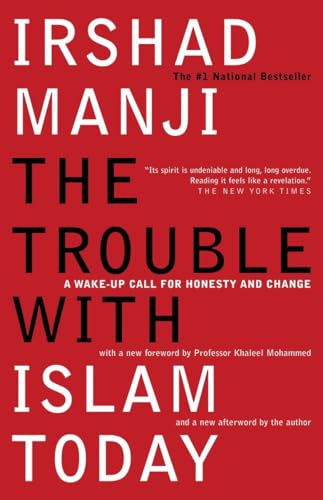
The impact of the 9/11 attacks on Muslim communities in America

After 9/11, Islamophobia, anti-Arab racism, hate crimes, and other discrimination surged against Muslim communities and other minorities in America. The lessons answer how suspicion and discrimination shaped Muslim Americans' experiences after the attacks. They trace how that suspicion affected communities and everyday life.

by Curiate·the impact of the 9/11 attacks on muslim communities in america
San Francisco's gay rights movement and its protests

The rise of the gay rights movement in San Francisco is part of a broader movement advocating for the inclusion, recognition, and rights of LGBTQ people, with the common goal of equal rights for LGBTQ people.

by Curiate·the rise of the gay rights movement in san francisco

How life under rationing shapes fairness

Life under rationing means living with controlled distribution of scarce resources, goods, or services, which limits how much people can consume. What can rationing reveal about scarcity, fairness, and unequal access, and how can you understand its effects on daily life? The lessons consider how rationing shapes access and how people experience shared limits.

by Curiate·life under rationing

Emancipation made ending slavery a Union war aim

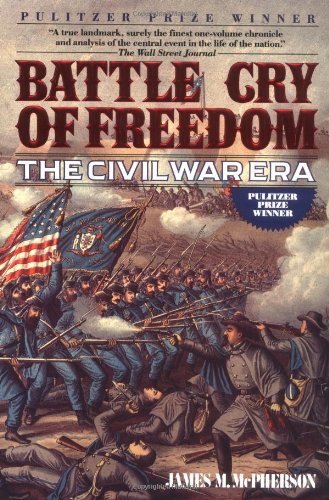
In January 1862, Republican House leader Thaddeus Stevens called for total war, arguing that emancipation would ruin the rebel economy. How did emancipation shift the Civil War from preserving the Union toward ending slavery? The American Civil War was a war between the Union and the Confederacy. Battle Cry of Freedom by James M. McPherson is a military, political, and social history of the American Civil War, helping readers understand the conflict across these dimensions.

by Curiate·the american civil war

How the history of scientific racism justified hierarchy

The history of scientific racism concerns the pseudoscientific belief, sometimes termed biological racism, that humans are divided into biologically distinct races and that evidence supports racial discrimination or superiority and inferiority. It was common from the 1600s to the end of World War II, particularly in European and American academic writings from the mid-19th century through the early-20th century.

by Curiate·the history of scientific racism

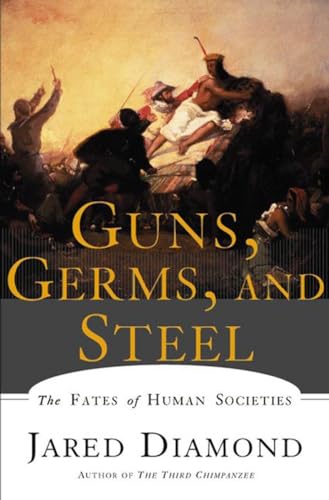
How colonial rule reshaped African trade

Colonialism's impact on African economies is often described through explanations of poverty, obscuring achievements by African farmers, traders and states, including better food security and periods of economic growth. These lessons answer how colonial rule reshaped African trade, and help readers understand its effects on African economies. They trace how trade changed across colonial and post-colonial times.

by Curiate·the impact of colonialism on african economies

After Muhammad's death, Muslims disputed who should lead

Abu Bakr, chosen as leader of the Muslim community after Muhammad through consultation, was regarded as first among equals, not as holding extraordinary spiritual authority or a unique ability to determine the correct Muslim view. Why did Muslims come to disagree about who should lead the community after Muhammad?

by Curiate·islam

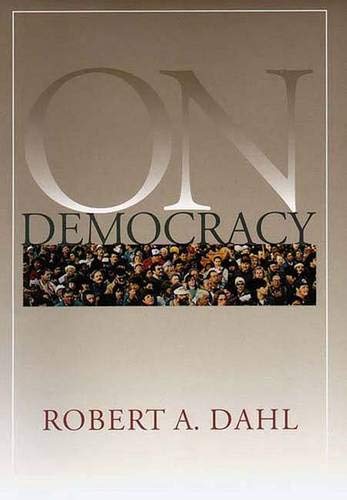
The history of democracy and forms of citizen rule

The history of democracy concerns democratic government, commonly juxtaposed with oligarchic and monarchic systems; 18th-century intellectuals attempted to leverage early democratic experiments into a new template for post-monarchical political organization. How have participation, political power and deliberation shaped citizen rule? By the end, you will understand how democratic practices have varied in who participates, how decisions are made and how citizens deliberate.

by Curiate·the history of democracy

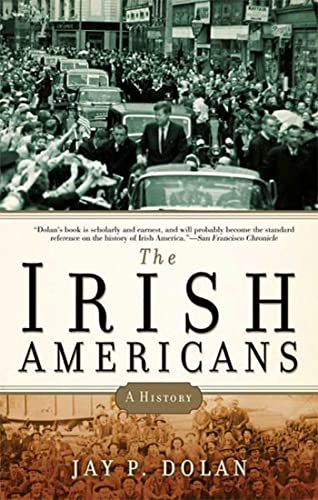
Irish Diaspora in America: Arrivals, Labor and Patronage

The experience of the Irish diaspora in America concerns Americans with full or partial Irish ancestry or citizenship. Irish immigration had complex causes, and many Irish people sought a better life elsewhere as European colonies in the Americas offered destinations for emigration.

by Curiate·the experience of the irish diaspora in america

Ancient civilizations shaped by geography

Ancient civilizations are associated with ancient history, the period from the beginning of writing and recorded human history through late antiquity, spanning roughly 5,000 years. These lessons answer how geography shaped ancient societies, helping readers understand how landscapes and water influenced settlement, movement, and political change. They trace connections between rivers, islands, climate, and the ways societies adapted to their surroundings.

by Curiate·ancient civilizations

History of exploration through firsthand encounters

History of exploration is the history of the process of exploring, an activity with some expectation of discovery. What can firsthand encounters and their records reveal about unfamiliar places and people? By the end, readers will understand how movement, observation, documentation, and later interpretation can deepen or revise knowledge of the world.

by Curiate·history of exploration

How the Vietnam War protests shaped public opinion

The Vietnam War protests were demonstrations opposing United States involvement in the Vietnam War, reaching substantial scale in 1965 as the country's role escalated. How did protest and public opinion relate to the war, and what can we understand about their influence on calls for withdrawal? The lessons trace the connections between protest, public opinion, and the war.

by Curiate·the vietnam war protests

Forced isolation in life in a leper colony in Hawaii

Life in a leper colony in Hawaii began with a community established in the 1870s to support the colony; the legislature required people with severe cases to be quarantined on the island in the hope of preventing contagion.

by Curiate·life in a leper colony in hawaii

Indigenous peoples under colonial violence

The life of the indigenous peoples during colonization involved a precipitous population decline after European colonization of the Americas from 1492, caused by wars, ethnic cleansing, enslavement, and newly introduced diseases. European settlers also waged war and perpetrated massacres against Native American peoples, removed them from their ancestral lands, and subjected them to one-sided government treaties and discriminatory government policies.

by Curiate·the life of the indigenous peoples during colonization

How weimar berlin faced political conflict

Weimar Berlin was the German state from 9 November 1918 to 23 March 1933, a constitutional republic for the first time in German history, informally named after the city where its constituent assembly met. How did this fragile republic hold together amid political conflict, and what pressures shaped its survival? The lessons trace the political, economic and social strains that tested the republic.

by Curiate·weimar berlin

Harlem Renaissance migration and Black cultural identity

The Harlem Renaissance was a movement of African-American cultural expression across urban areas in the Northeastern and Midwestern United States, centered in Harlem, New York City. How did migration shape Black cultural self-definition? Readers will understand how literature, music, and artistic communities helped African Americans express identity and build connections across social and cultural boundaries.

by Curiate·the harlem renaissance

The history of technology and social change

The history of technology is the history of human invention of tools and techniques, ranging from simple stone tools to complex genetic engineering and information technology that has emerged since the 1980s. How have inventions reshaped society across different eras? Readers will understand how new sources of power, mechanisms, transport, and collaborative work have changed economies and everyday life.

by Curiate·the history of technology

How the Roman Empire connected its territories

The Roman Empire was a state that dominated the Mediterranean sea and much of Europe, Western Asia, and North Africa during the classical period. How did imperial rule connect its vast territories? Readers will understand how local cooperation, transport networks, and knowledge of routes helped Rome govern and link distant communities.

by Curiate·the roman empire

How civil rights movements built coalitions

Civil rights movements were social movements in the United States from 1954 to 1968 that aimed to abolish legalized racial segregation, discrimination, and disenfranchisement, most commonly affecting African Americans. How did protest, education, and voting rights efforts advance civil rights? The lessons show how collective action and varied strategies challenged exclusion and expanded political participation.

by Curiate·civil rights movements

Postcolonial theory, colonial power, and whose stories count

Postcolonial theory is the academic study of the cultural, political, and economic consequences of colonialism and imperialism, focusing on their impact on colonized people and lands. How does colonial power shape whose stories and knowledge count? Readers will understand how colonial assumptions are imposed and challenged, and how resistance also addresses power within postcolonial societies.

by Curiate·postcolonial theory

Reading paths, built to arrive somewhere

Curiate turns what you are curious about into a short path — a quick lesson on an article, something to watch, and a book to go deep on. Free to browse.

Explore CuriateHow it works