Curiate

History curations — page 2

What happened, why it mattered, and how historians know. Quick lessons on events, people and turning points, each linked to the sources that tell the fuller story.

Collections in History

Why Syrians left for Europe

The migration of Syrians to Europe was part of the significant movement of refugees and migrants into Europe in 2015, mostly from the Middle East. The path places this movement in the context of the wider migration into Europe that year.

by Curiate·the migration of syrians to europe
The Aztec Empire and stories of conquest

The Aztec Empire was an alliance of three Nahua city states that ruled in and around the Valley of Mexico from 1428 until Spanish conquistadores and their native allies defeated them in 1521. The lessons consider how conquest unfolded and how its stories shape what readers understand about the empire. They connect the course of conquest with the ways its history was told.

by Curiate·the rise and fall of the aztec empire

War, hunger and the Russian Revolution

The Russian Revolution was a period of political and social change in Russia, when two revolutions and a civil war led to the abolition of the monarchy and adoption of a socialist government. The lessons answer how war, hunger, and the Tsar's loss of power shaped this upheaval, helping readers understand the pressures behind revolutionary change.

by Curiate·the history of the russian revolution

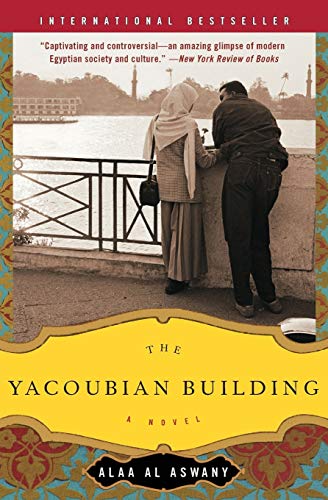
The Arab Spring in Egypt and its uncertain aftermath

The Arab Spring in Egypt was the 2011 Egyptian revolution, also known as the 25 January Revolution, which began on 25 January 2011 and spread across Egypt. It consisted of demonstrations, marches, occupations of plazas, non-violent civil resistance, acts of civil disobedience and strikes.

by Curiate·the arab spring in egypt

How the impact of colonialism shaped Caribbean plantation economies

Colonialism's impact in the Caribbean reflects the region's role in European colonial struggles since the 15th century, shaped by exploitation, forced migration, immigration, and rivalry among world powers. The lessons answer how plantation economies and coerced labor shaped the region's history. They help readers understand how these forces were connected.

by Curiate·the impact of colonialism in the caribbean

The chilean coup of 1973 and democratic breakdown

The 1973 Chilean coup was a military overthrow of socialist president Salvador Allende and his Popular Unity government, ending civilian rule. These lessons answer how Chile's democratic breakdown unfolded and what followed. They trace the political crisis and the longer aftermath of repression, accountability, and public reckoning.

by Curiate·the chilean coup of 1973

The French Revolution and social inequality

The French Revolution was a period of political and societal changes in France that began with the Estates General of 1789 and ended with the Coup of 18 Brumaire on 9 November 1799. How did inequality and financial hardship contribute to the Revolution? By the end, readers will understand how social divisions, political conflict, and challenges to traditional authority undermined confidence in the monarchy.

by Curiate·the french revolution

How cryptography principles trace secret writing

Cryptography principles are the practice and study of techniques for secure communication when others may try to interfere, centered on keeping data confidential and intact, confirming identity, and preventing denial of actions. What can the history of secret writing help you understand about how people communicate securely? The lessons trace this long history through methods, practical challenges, and changing ways of concealing messages.

by Curiate·cryptography principles

The oil crisis of the 1970s

The oil crisis of the 1970s was an oil-price shock: on August 23, 1973, Saudi king Faisal and Egyptian president Anwar Sadat secretly negotiated an accord to use the "oil weapon" during the military conflict; after Egypt and Syria attacked Israeli positions on October 6, OAPEC oil ministers agreed on October 17 to use oil to influence the West's support of Israel, and the price of oil quadrupled by 1974.

by Curiate·the oil crisis of the 1970s

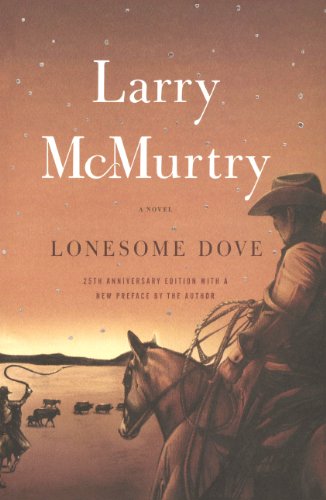
How cattle drives changed the history of the American West

The history of the American West encompasses the geography, history, folklore, and culture associated with American expansion across mainland North America, which began with European colonial settlements in the early 17th century and ended with the admission of the last few contiguous western territories as states in 1912. This era of massive migration and settlement was particularly encouraged by President Thomas Jefferson following the Louisiana Purchase.

by Curiate·the history of the american west

Catholicism, authority and change

Catholicism is the Catholic Church, the largest Christian church, with an estimated 1.28 to 1.41 billion baptized members worldwide as of 2026. How does Catholic authority respond to changing political, social and religious contexts? By the end, readers will understand how the church negotiates continuity and adaptation through governance, tradition and evolving expectations.

by Curiate·catholicism

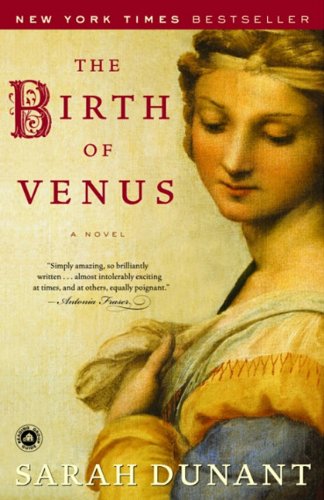
The history of the Renaissance through humanist ideals and satire

The Renaissance was a European period of history and cultural movement at the end of the Late Middle Ages and the beginning of the early modern era. Characterized by the rediscovery and revival of classical achievements, it was first centered in the Republic of Florence, then spread through Italy and Europe.

by Curiate·the history of the renaissance

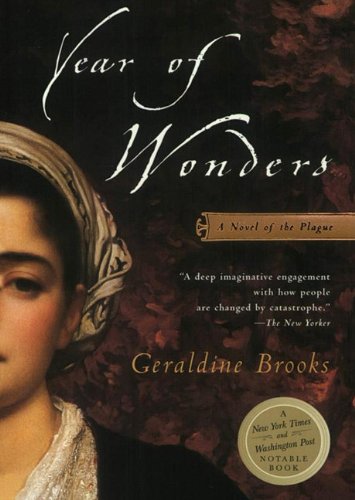
How crisis and trade carried plague through medieval Europe

The Black Death was a plague pandemic in Europe from 1346 to 1353, killing up to 50 million people and causing far-reaching population, economic, and cultural effects. What can you understand about how crisis and trade carried plague through medieval Europe? The lessons connect the movement of goods and people with the wider consequences of crisis.

by Curiate·the impact of the black plague on medieval europe

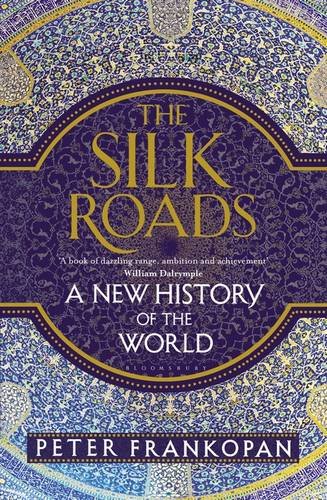
Trade routes and the influence of the silk road

The Silk Road was a network of Asian trade routes active from the second century BCE until the mid-15th century, spanning over 6,400 km (4,000 mi) on land and facilitating economic, cultural, political, and religious interactions between the Eastern and Western worlds.

by Curiate·the influence of the silk road

Ancient Greeks: religion, Homer and the Acropolis

The history of the ancient Greeks concerns Ancient Greece, a civilization of culturally and linguistically related city-states and regions that existed from the Greek Dark Ages of the 12th, 9th centuries BC to c. 600 AD. Scholars mark its beginning with Mycenaean Greece, which declined during the Bronze Age collapse c. 1100 BC.

by Curiate·the history of the ancient greeks

How science history changes through revolutions

Science history covers how science has developed from ancient times to the present across its natural, social, and formal branches. What makes scientific change revolutionary, and how do shifts in ideas and evidence reshape scientific understanding? The lessons trace how science changes through revolutions, from breaks with established ways of thinking to new frameworks for understanding.

by Curiate·science history

How medical knowledge changes over time

The history of medicine studies medical practices over time and how human societies have approached health, illness, and injury, from prehistory to the modern day. These lessons answer how medical knowledge changes over time and help readers understand that change. They follow shifts in medical practice across different periods.

by Curiate·the history of medicine

The Black Panther Party and community solidarity

The history of the Black Panther Party concerns an American Marxist, Leninist and black power political and militant organization that existed from 1966 to 1982. Huey P. Newton and Bobby Seale founded it in late October 1966.

by Curiate·the history of the black panther party

The rise of fascism in Italy and Roman revival

The rise of fascism in Italy was the development of Italian fascism, the original fascist ideology, developed by Giovanni Gentile and Benito Mussolini. Mussolini's National Fascist Party governed the Kingdom of Italy from 1922 until 1943.

by Curiate·the rise of fascism in italy

How Cold War rivalry shaped the space race

The Space Race was a 20th-century competition between the United States and the Soviet Union to achieve superior spaceflight capability. It began on July 29, 1955, when the United States announced its intent to launch artificial satellites for the International Geophysical Year.

by Curiate·the space race

Reading paths, built to arrive somewhere

Curiate turns what you are curious about into a short path — a quick lesson on an article, something to watch, and a book to go deep on. Free to browse.

Explore CuriateHow it works